Birdwatching in the

Danube Delta

Small-group birdwatching and nature photography by slow boat, through the channels, lakes and reedbeds of Europe’s largest wetland.

Find the trip that fits your season :
Spring migration
Breeding colonies
Photo hides
Autumn passage
One-day trips
Who takes you out

The Delta is not a place you can read off a map

Channels silt up, colonies move, and a lake that held a thousand pelicans last May can be empty this one. What works is knowing the water — which arm is open after the spring floods, where the glossy ibis are nesting this year, and when to cut the engine and drift.

The catalogue

Three hundred and more bird species on one delta

Beyond the birds

Otters, jackals and the mammals of the reedbeds

At the table

What the fishing villages actually cook

Dated departures

Trips with a date on them

Each departure is a fixed window chosen around migration, breeding or light. Groups stay small and fill in the order people book.

Tell us when you can travel, and we will tell you what you will see

Dates, group size, and what you most want in the viewfinder. Send those three and you will get a straight answer about what the Delta is doing that week.

What you will actually see

Not a promise — a list of what lives here

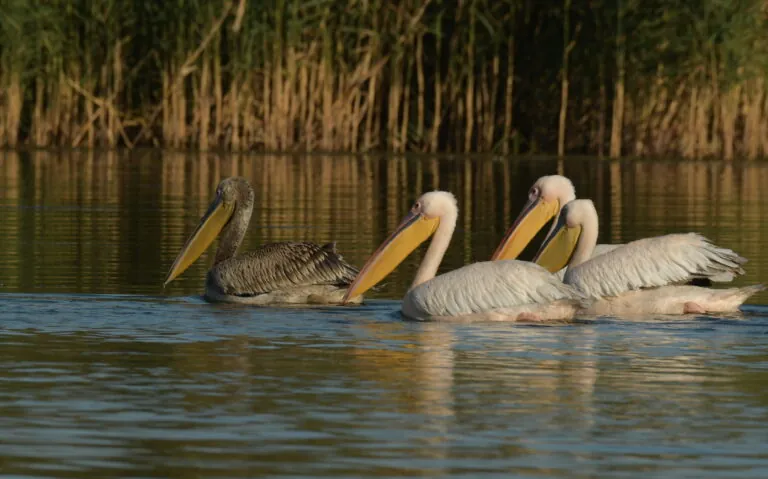
Pelicans

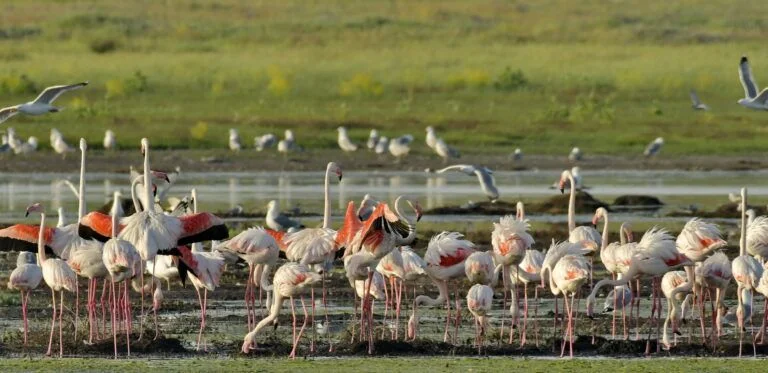
Both great white and Dalmatian breed here, in the largest colony in Europe.

Herons and egrets

Nine species in one reedbed on a good morning, plus glossy ibis and spoonbill.

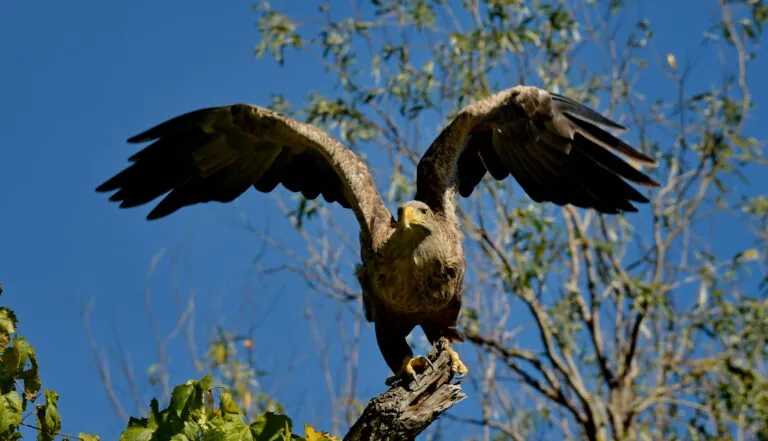
Raptors

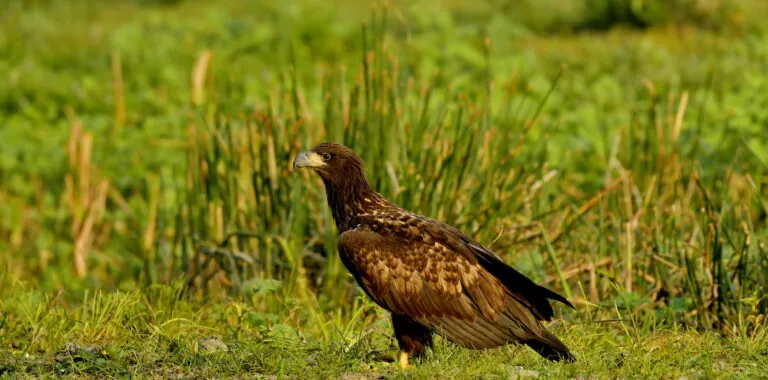
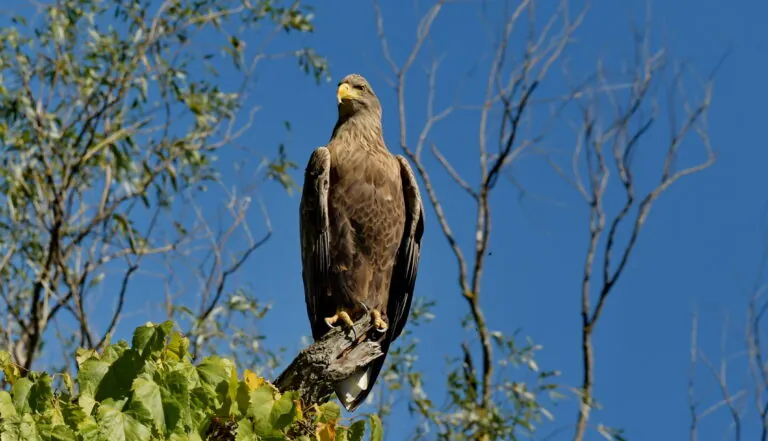
White-tailed eagle over the lakes, marsh harrier quartering the reeds.

Forest and dune birds

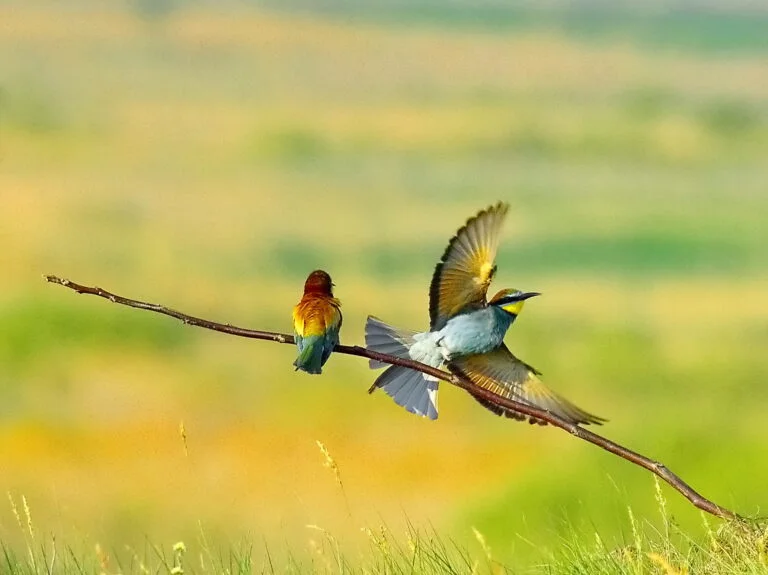
Letea and Caraorman hold rollers, bee-eaters, woodpeckers and eagle owl.

Mammals

Otter, jackal, wild boar, muskrat, and the wild horses of Letea.

Reptiles and amphibians

Dice snake, European pond terrapin, fire-bellied toad, once you look.

When to come

The Delta is a different place every six weeks

Late April – May

Spring passage and the start of breeding. The highest species count of the year, and the reeds are still low enough to see through.

June – July

Colonies in full swing and pelicans fishing in formation. Long light at both ends of the day, and mosquitoes that know it.

September – October

Autumn passage and the first cold mornings. Fewer boats on the water, and the light turns gold earlier.

The water is different every week of the season

Come once and you have seen one version of the Delta. That is the honest pitch.

Why people book this rather than a boat ticket

Small groups

One boat, a handful of people. Everyone gets the side of the boat they need.

Local knowledge

Routes chosen the morning of, on wind, water level and what was seen yesterday.

The right boat

Low and slow, so you drift into a colony rather than announce yourself to it.

Four languages

English, Romanian, French and German — the guiding and the site both.

Before you write

The questions we actually get

Anything not covered here, just ask — mihai@wildtravel.ro or +40 744 224 897.

Not very. Most of the day is spent sitting in a boat. There is some walking on the Letea and Caraorman trips, over sand, but it is flat and we go at the slowest person’s pace.

A long lens earns its keep — 400mm and up. Bring a beanbag rather than a tripod; the boat is the tripod. Dust and spray are the real risks, so a rain cover and a blower are worth the space.

In season, almost certainly — the Delta holds the largest colony in Europe. Nobody can promise a particular species on a particular morning, and anyone who does is selling something.

Yes. Plenty of people come for the landscape, the fishing villages and the food. The itinerary works either way; say which when you write.

They are real, mostly from June, and worst at dusk in the reeds. Long sleeves and repellent handle it. Spring and autumn trips barely notice them.

Write with your dates and group size. You will get a reply from Mihai, not a booking system, usually within a day.