



The Egyptian goose (Alopochen aegyptiaca) is a member of the duck, goose, and swan family Anatidae. It is native to Africa south of the Sahara and the Nile Valley The sexes of this species are identical in plumage but the males average slightly larger. There is a fair amount of variation in plumage tone, with […]
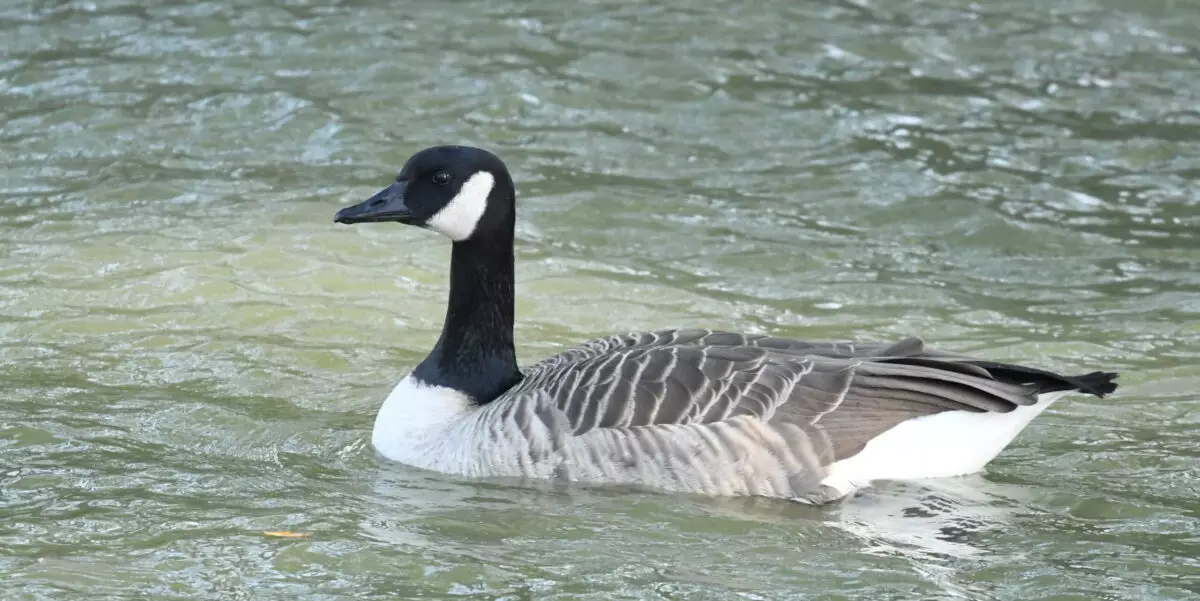
The Canada goose (Branta canadensis) is a large wild goose species with a black head and neck, white patches on the face, and a brown body. Native to arctic and temperate regions of North America, its migration occasionally reaches northern Europe. Canada geese are primarily herbivores, although they sometimes eat small insects and fish.Their...

The red-flanked bluetail (Tarsiger cyanurus), also known as the orange-flanked bush-robin, is a small passerine bird that was formerly classed as a member of the thrush family Turdidae, but is now more generally considered to be an Old World flycatcher, Muscicapidae. It, and related species, are often called chats. Description At 13–14 cm long...
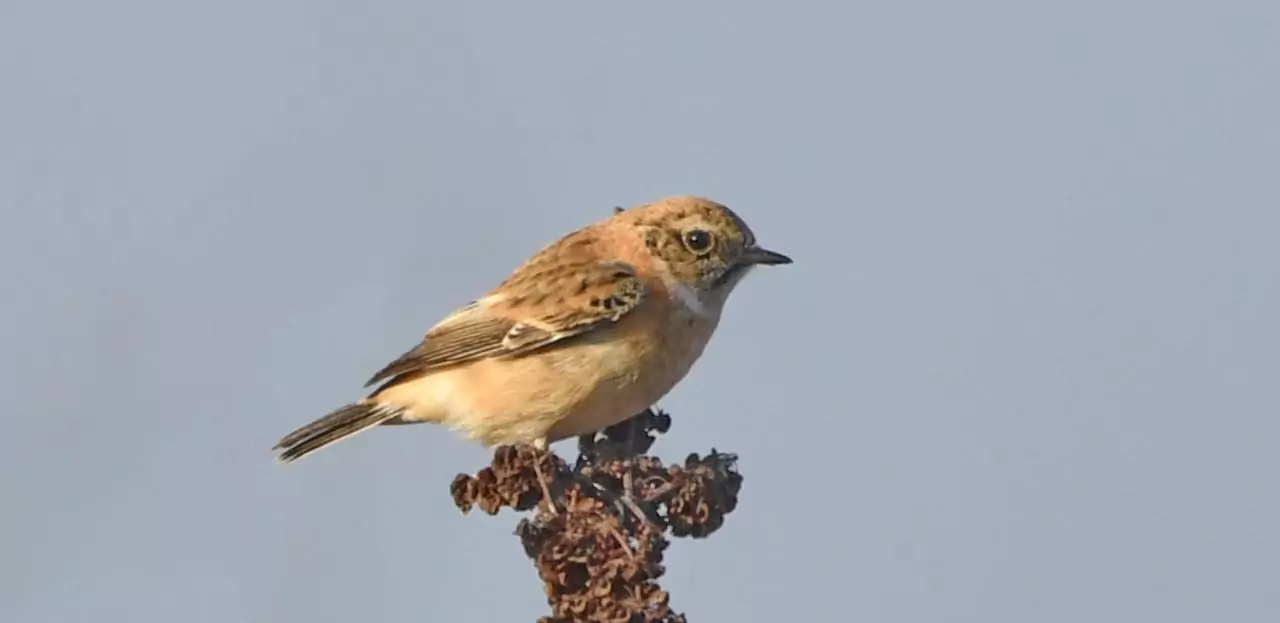
The Siberian stonechat or Asian stonechat (Saxicola maurus) is a recently validated species of the Old World flycatcher family (Muscicapidae). It resembles its closest living relative the European stonechat (S. rubicola), but is typically darker above and paler below, with a white rump and whiter underparts with less orange on the breast. The...
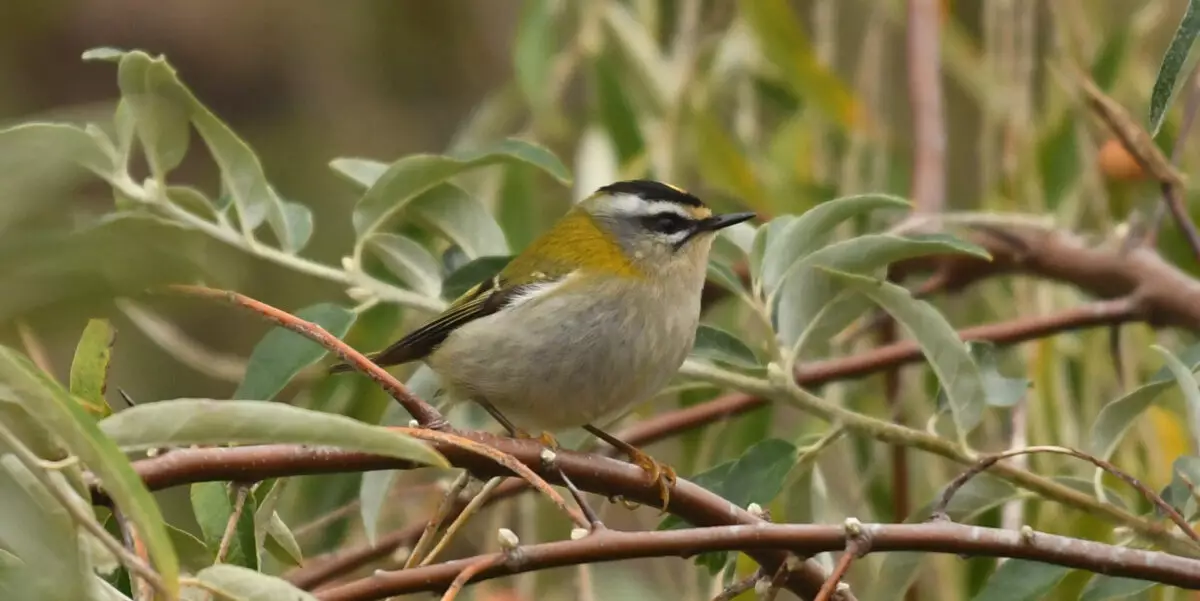
The common firecrest (Regulus ignicapilla) also known as the firecrest, is a very small passerine bird in the kinglet family. It breeds in most of temperate Europe and northwestern Africa, and is partially migratory, with birds from central Europe wintering to the south and west of their breeding range. Tis kinglet is greenish above and […]
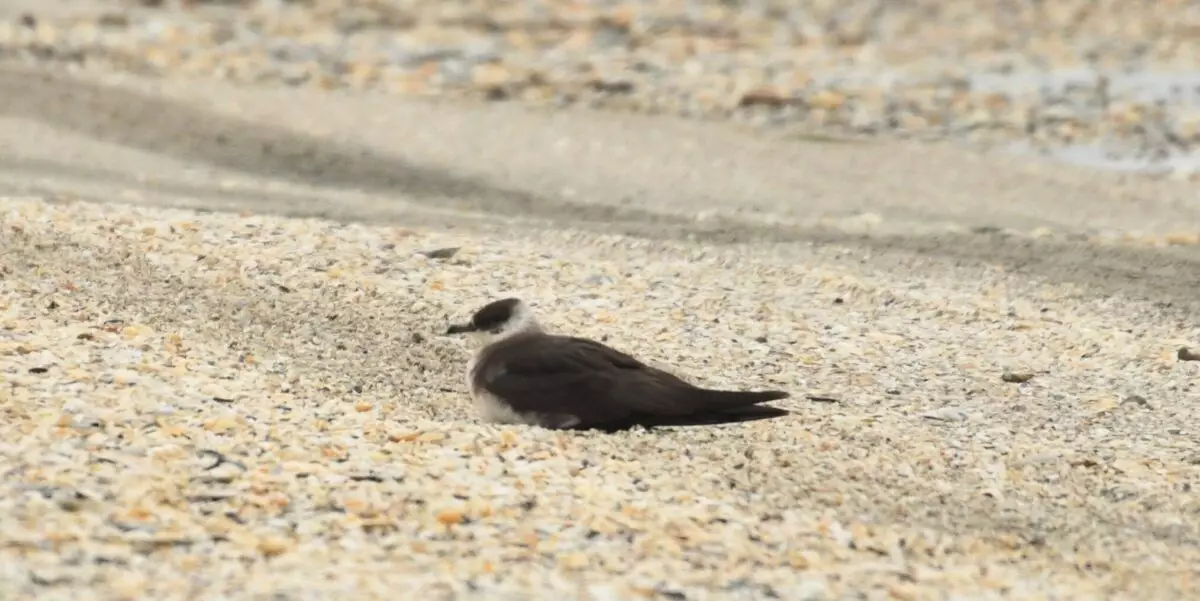
The parasitic jaeger (Stercorarius parasiticus), also known as the Arctic skua or parasitic skua, is a seabird in the skua family Stercorariidae. Identification is complicated by similarities to long-tailed jaeger and pomarine jaeger, and the existence of three colour morphs. Small for a skua, the parasitic jaeger measures 41–48 cm (16–19 in)...
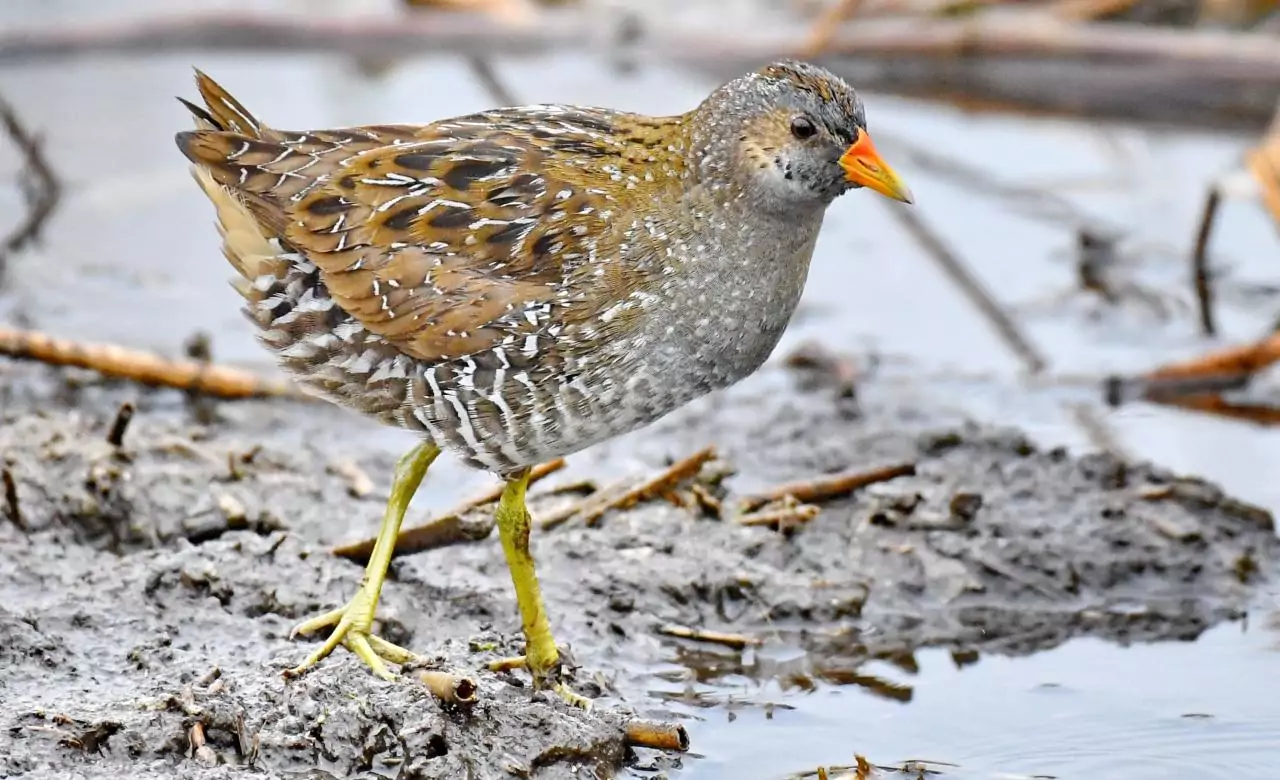
The spotted crake (Porzana porzana) is a small waterbird of the family Rallidae. The scientific name is derived from Venetian terms for small rails. The spotted crake’s breeding habitat is marshes and sedge beds across temperate Europe into western Asia. They nest in a dry location in marsh vegetation, laying 6–15 eggs. This species is...

The Pacific golden plover (Pluvialis fulva) is a medium-sized plover. The 23–26 cm long breeding adult is spotted gold and black on the crown, and back on the wings. Its face and neck are black with a white border, and it has a black breast and a dark rump. The legs are black. In winter, the […]
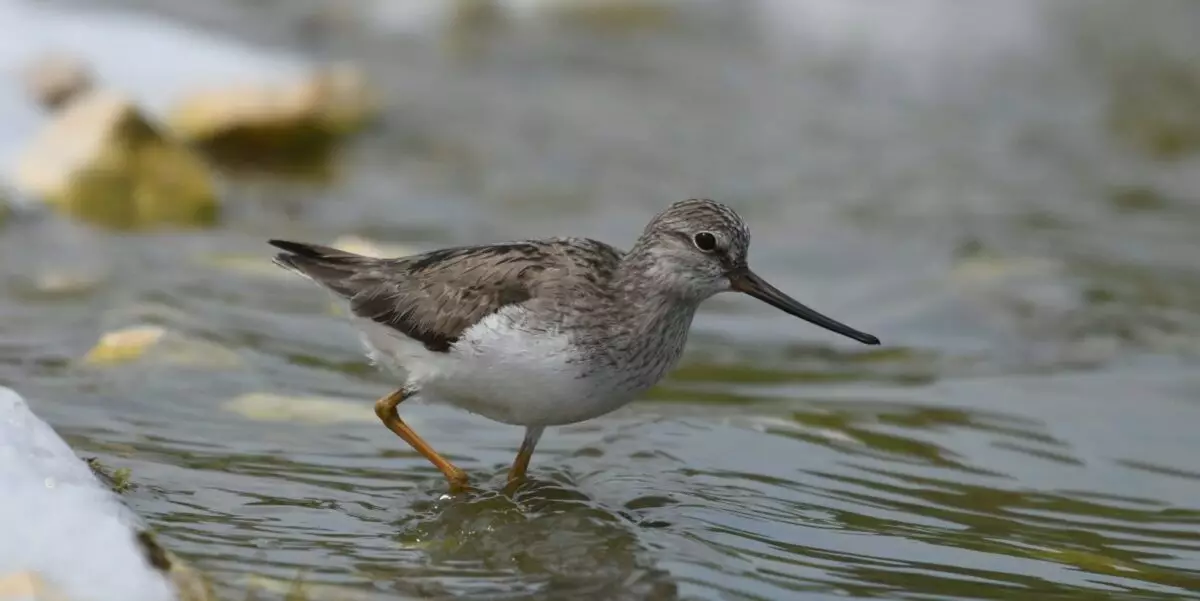
The Terek sandpiper (Xenus cinereus) is a small migratory Palearctic wader species, the only member of the genus Xenus. Slightly larger than the common sandpiper at 22–25 cm (8.7–9.8 in) length, its long upcurved bill – somewhat reminiscent of an avocet’s, but not as strongly curved – makes it very distinctive. As the scientific specific...
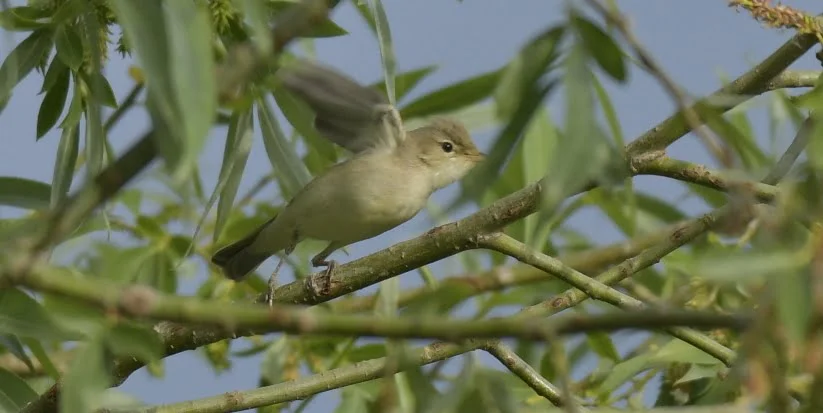
The marsh warbler (Acrocephalus palustris) is an Old World warbler currently classified in the family Acrocephalidae. It breeds in temperate Europe and western Asia and winters mainly in south east Africa. It is notable for incorporating striking imitations of a wide variety of other birds into its song. This is a medium-sized warbler. It is...
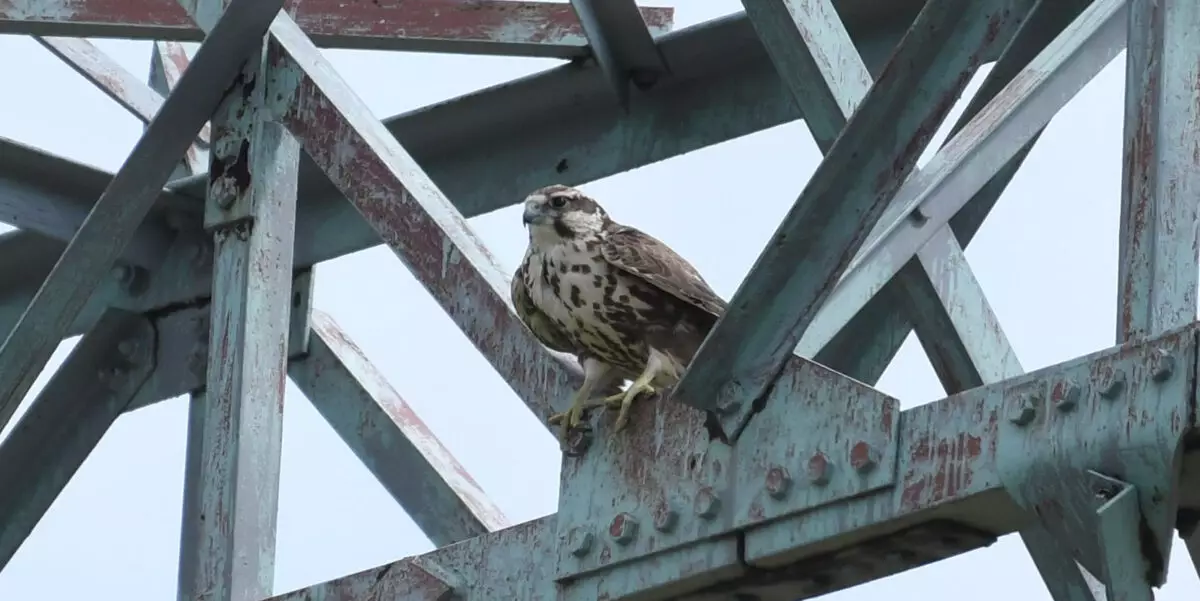
The saker falcon (Falco cherrug) is a large species of falcon. This species breeds from eastern Europe eastwards across Asia to Manchuria. The saker falcon is a large hierofalcon, larger than the lanner falcon and almost as large as gyrfalcon at 47–55 cm (19–22 in) length with a wingspan of 105–129 cm (41–51 in). Its broad blunt wings give...
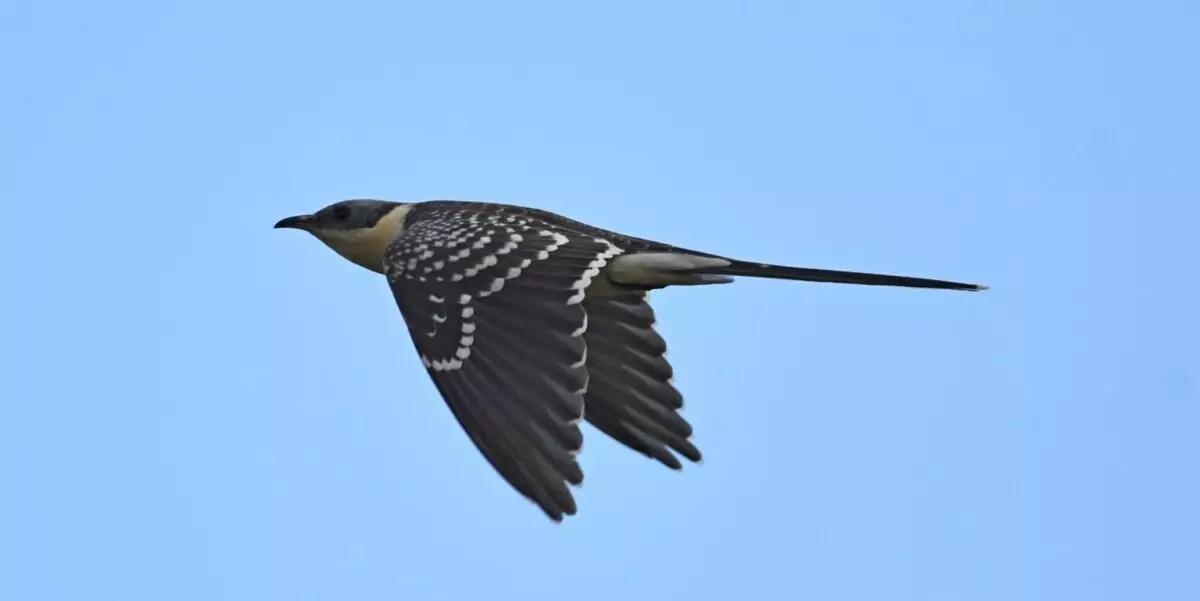
The great spotted cuckoo (Clamator glandarius) is a member of the cuckoo order of birds, the Cuculiformes, which also includes the roadrunners, the anis and the coucals. The genus name clamator is Latin for “shouter” from clamare, “to shout”. The specific glandarius is derived from Latin glans, glandis,...
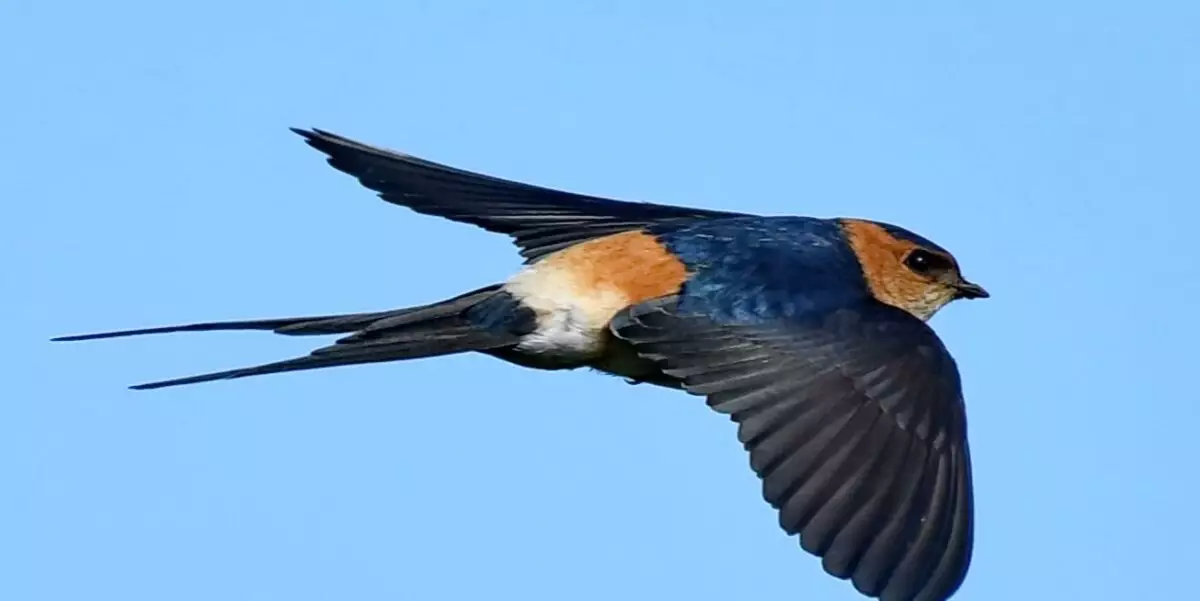
The red-rumped swallow (Cecropis daurica) is a small passerine bird in the swallow family. It breeds in open hilly country of temperate southern Europe and Asia from Portugal and Spain to Japan, India, Sri Lanka and tropical Africa. Red-rumped swallows are somewhat similar in habits and appearance to the other aerial insectivores, such as the...
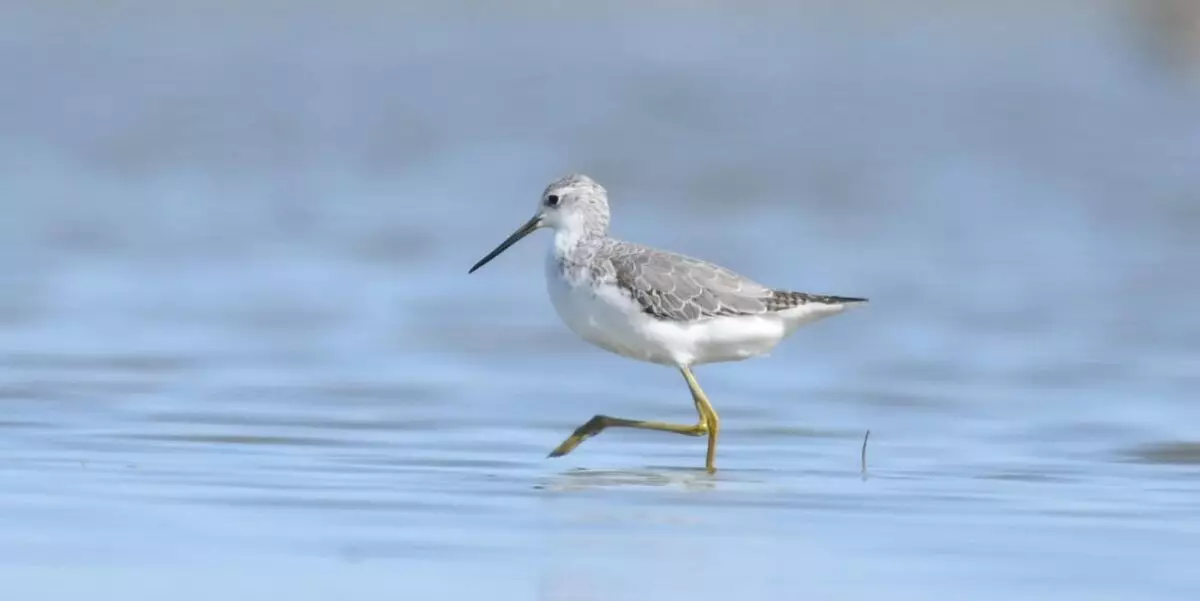
The marsh sandpiper (Tringa stagnatilis) is a small wader. It is a rather small shank, and breeds in open grassy steppe and taiga wetlands from easternmost Europe to central Asia. It resembles a small elegant greenshank, with a long fine bill and very long yellowish legs. Like the greenshank, it is greyish brown in breeding […]
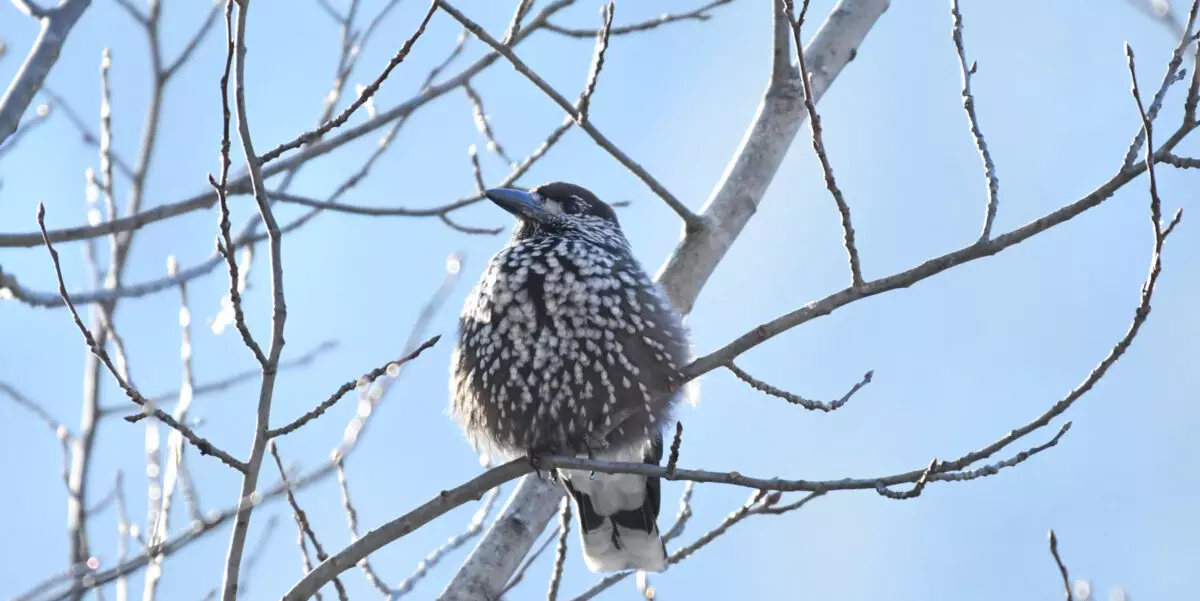
The spotted nutcracker, Eurasian nutcracker, or just nutcracker, (Nucifraga caryocatactes) is a passerine bird slightly larger than the Eurasian jay. It has a much larger bill and a slimmer looking head without any crest. The feathering over its body is predominantly a chocolate brown with distinct white spots and streaks. The wings and upper...
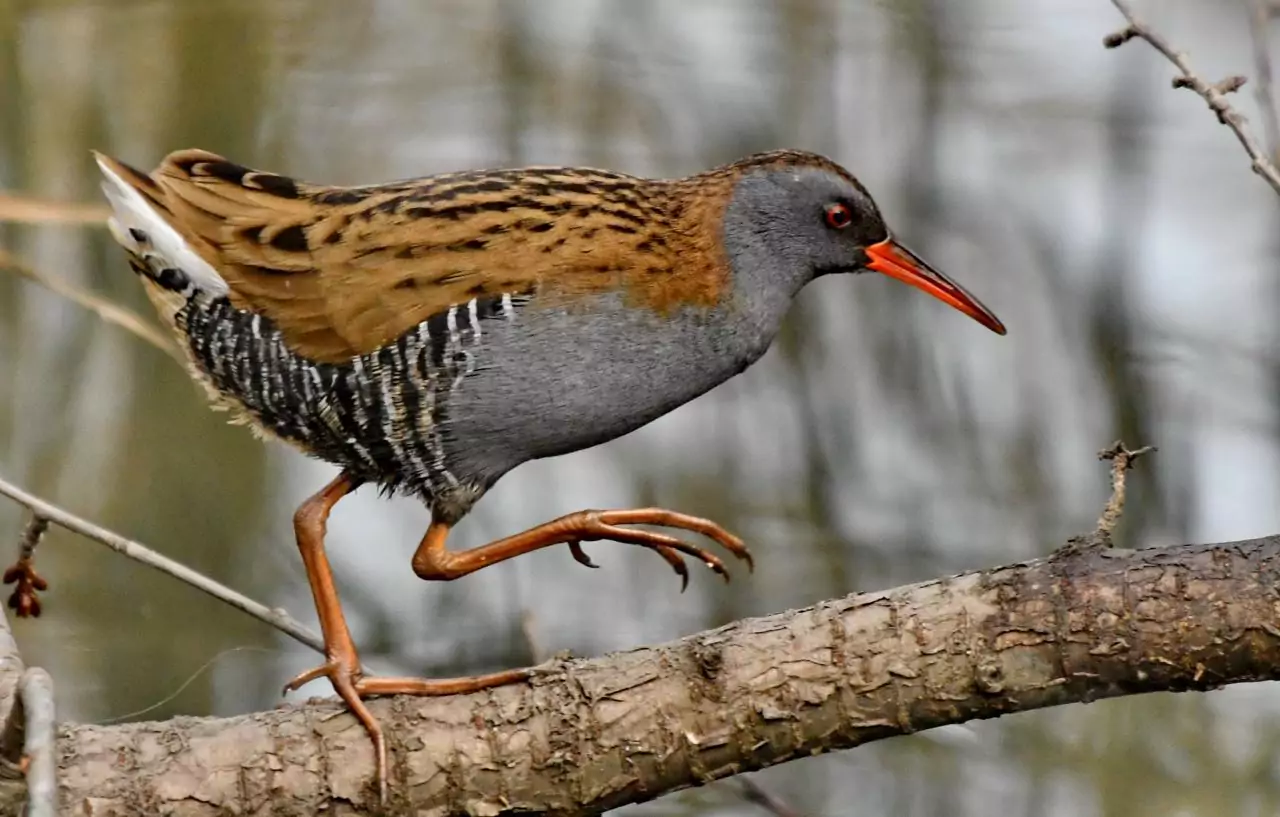
The water rail (Rallus aquaticus) is a bird of the rail family which breeds in well-vegetated wetlands across Europe, Asia and North Africa. Northern and eastern populations are migratory, but this species is a permanent resident in the warmer parts of its breeding range. The adult is 23–28 cm (9–11 in) long, and, like other rails, has […]
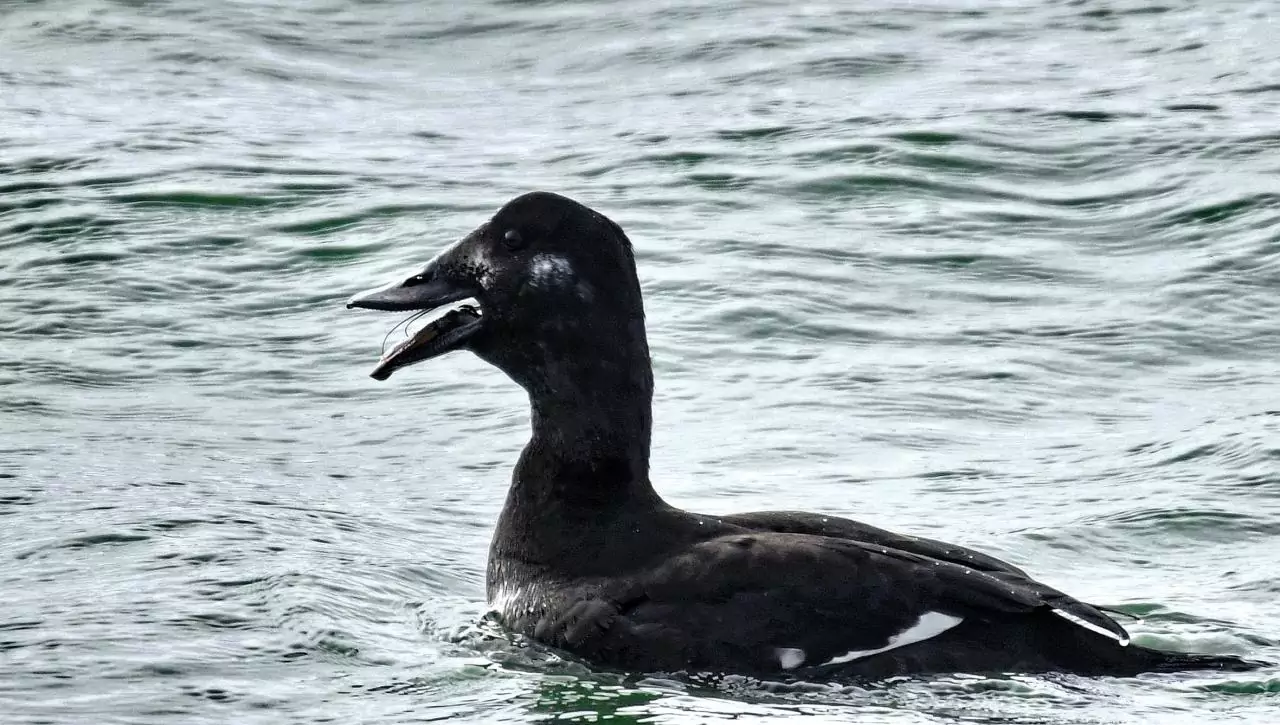
The velvet scoter (Melanitta fusca), also called a velvet duck, is a large sea duck, which breeds over the far north of Europe and Asia west of the Yenisey basin. The lined nest is built on the ground close to the sea, lakes or rivers, in woodland or tundra, and typically contains 7–9 eggs. This […]
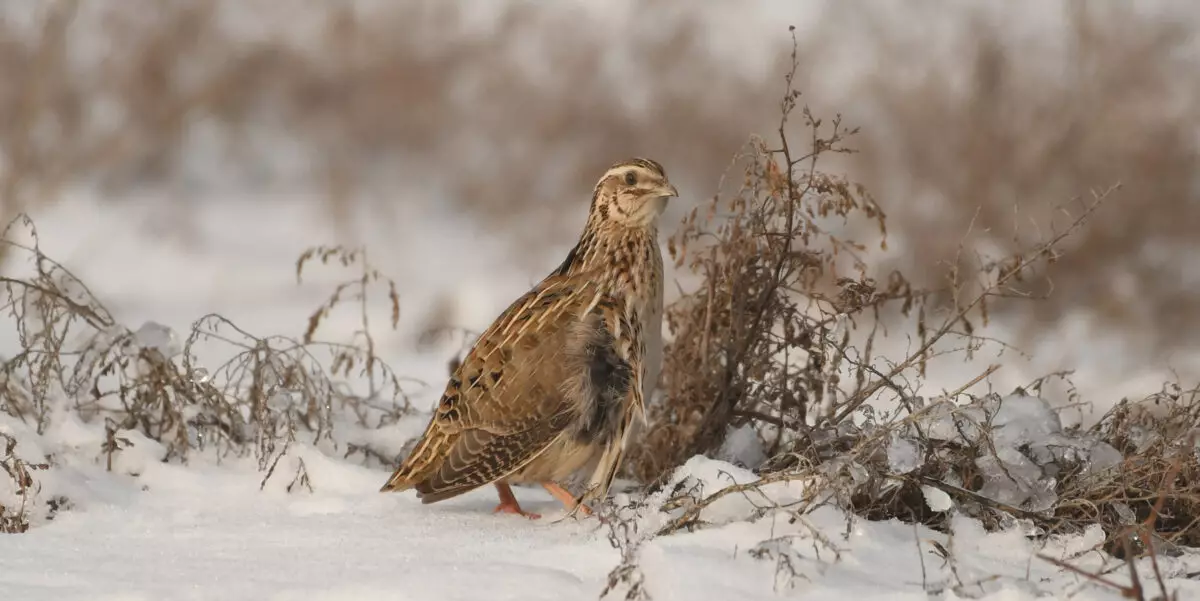
The common quail (Coturnix coturnix) is a small ground-nesting game bird in the pheasant family Phasianidae. Coturnix is the Latin for this species. It is a small, round bird, essentially streaked brown with a white eyestripe, and, in the male, a white chin. As befits its migratory nature, it has long wings, unlike the typically […]
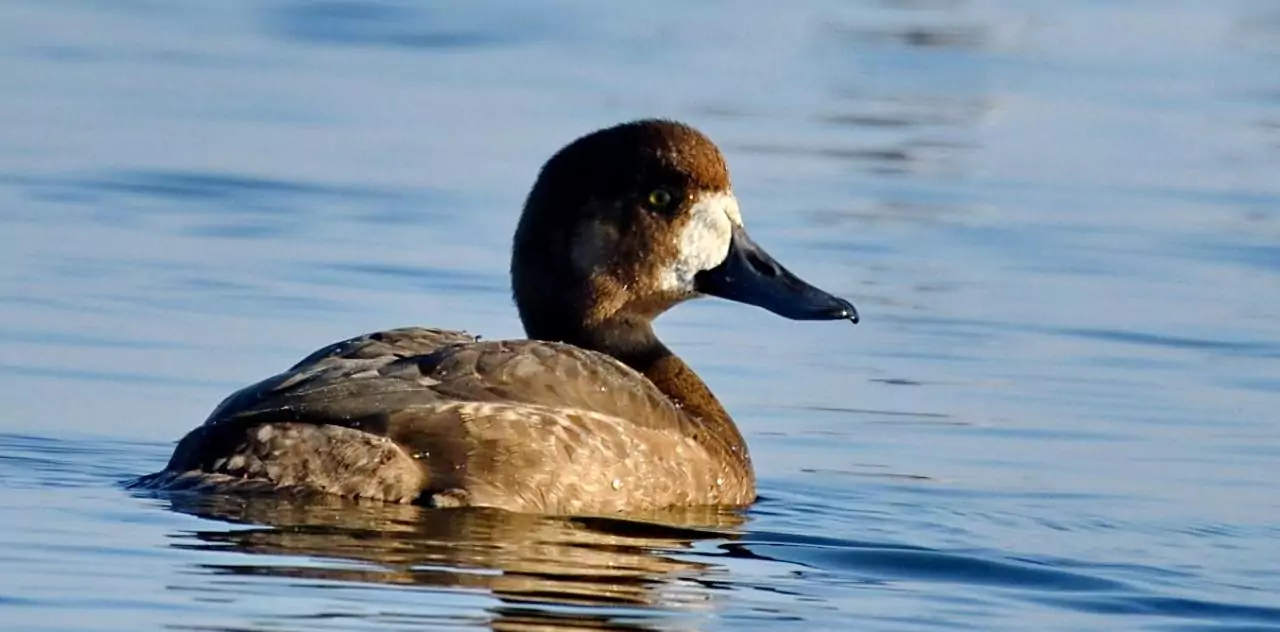
The greater scaup (Aythya marila), just scaup in Europe or, colloquially, “bluebill” in North America, is a mid-sized diving duck, larger than the closely related lesser scaup. It spends the summer months breeding in Alaska, northern Canada, Siberia, and the northernmost reaches of Europe. During the winter, it migrates south to the...
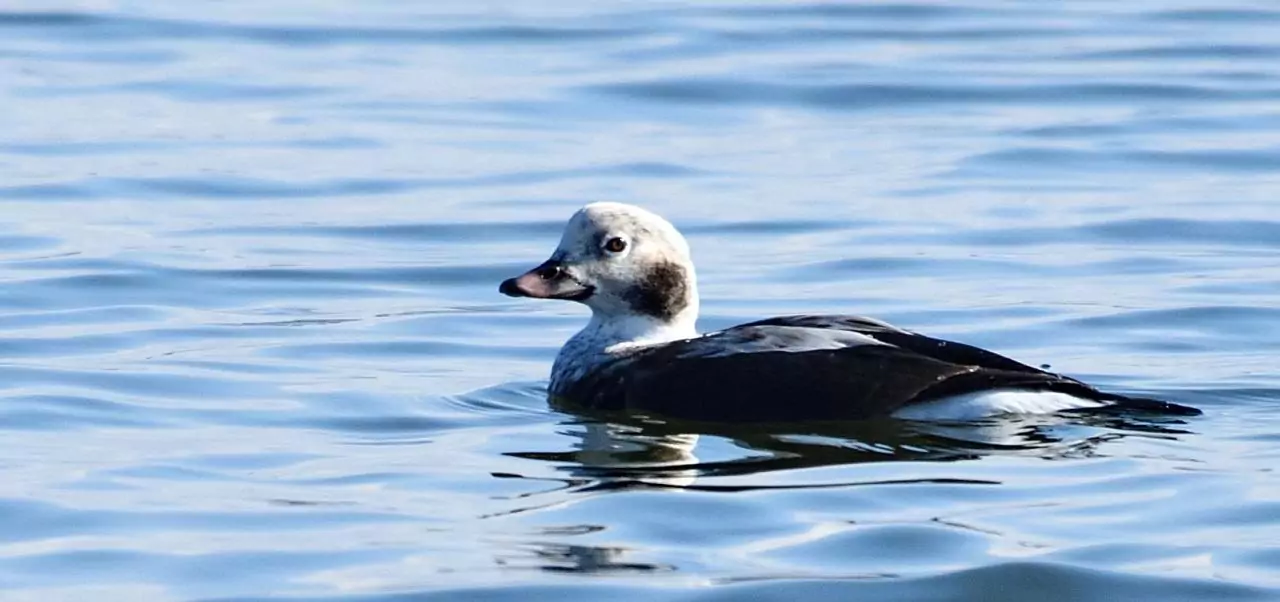
The long-tailed duck (Clangula hyemalis), once known as oldsquaw, is a medium-sized sea duck. It is the only living member of its genus, Clangula. Adults have white underparts, though the rest of the plumage goes through a complex moulting process. The male has a long pointed tail (10 to 15 cm (3.9 to 5.9 in) […]
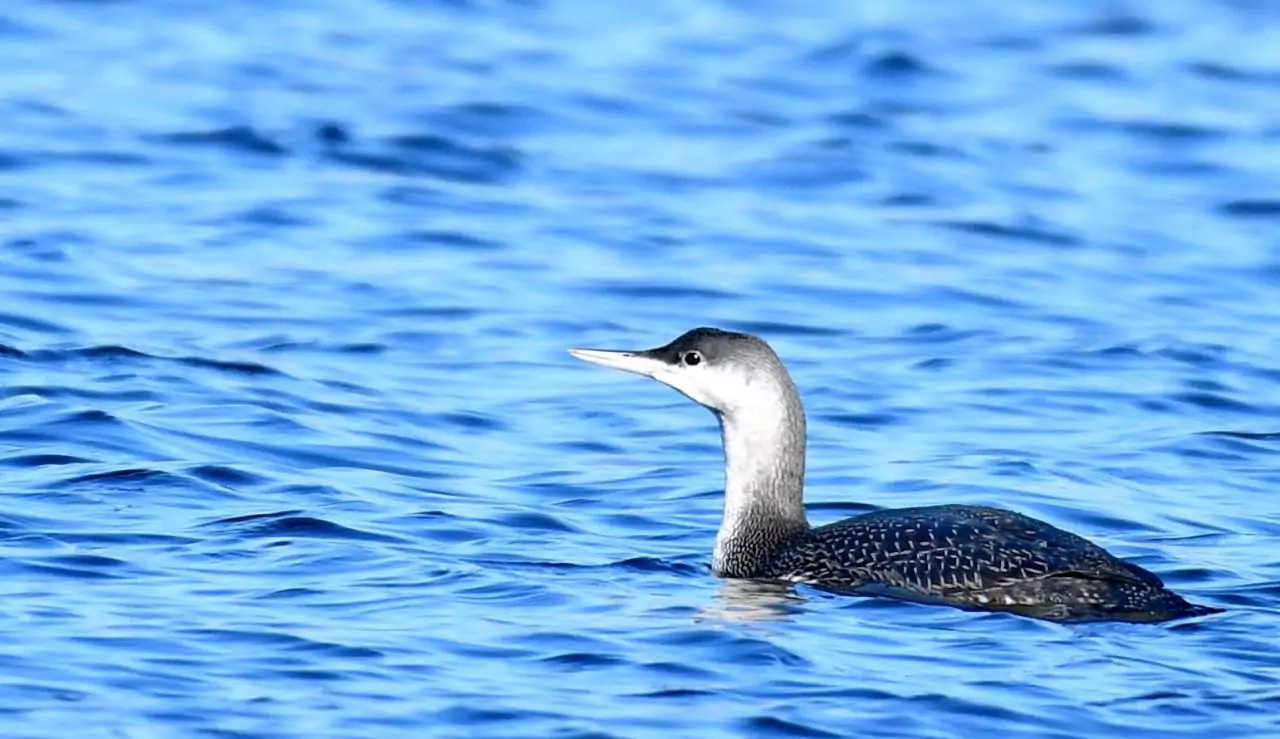
The red-throated loon or red-throated diver (Gavia stellata) is a migratory aquatic bird found in the northern hemisphere. Ranging from 55–67 centimetres (22–26 in) in length, the red-throated loon is the smallest and lightest of the world’s loons. In winter, it is a nondescript bird, greyish above fading to white below. During the...
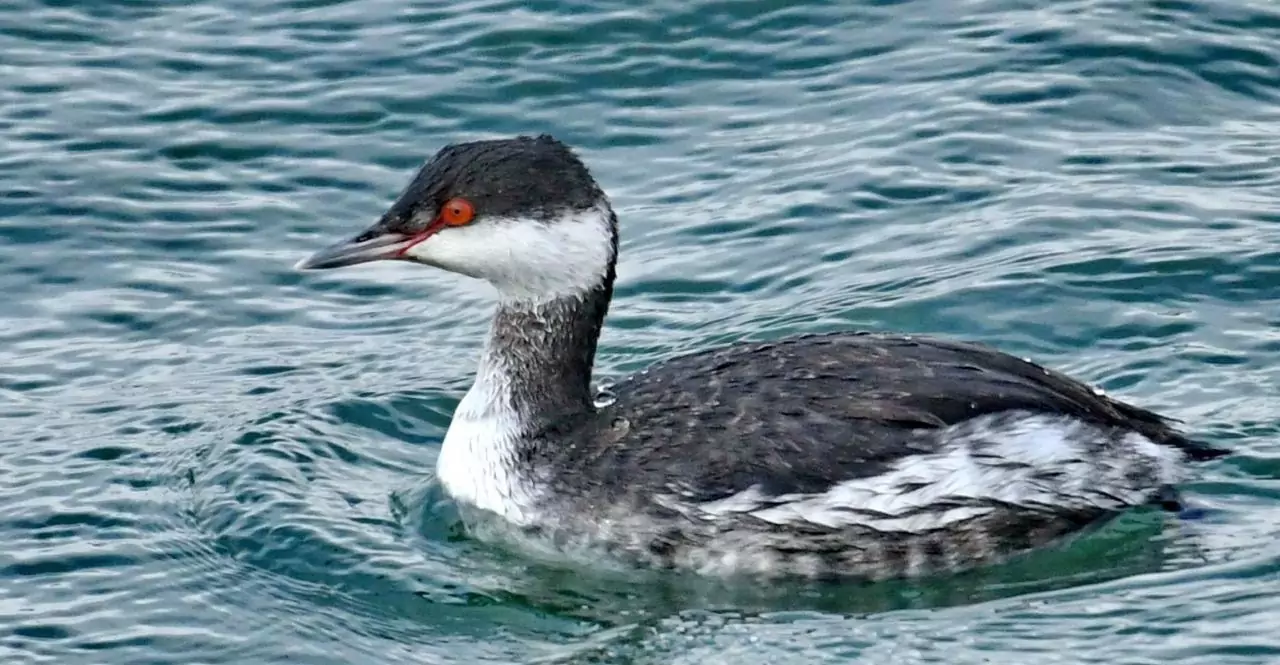
The horned grebe or Slavonian grebe (Podiceps auritus) is a relatively small waterbird in the family Podicipedidae. Description Birders can easily recognize the Horned Grebe by its red-and-black alternate (breeding) plumage, its black-and-white basic (non-breeding) plumage and its characteristic “horns”. This small grebe is 31–38 cm long, has a...
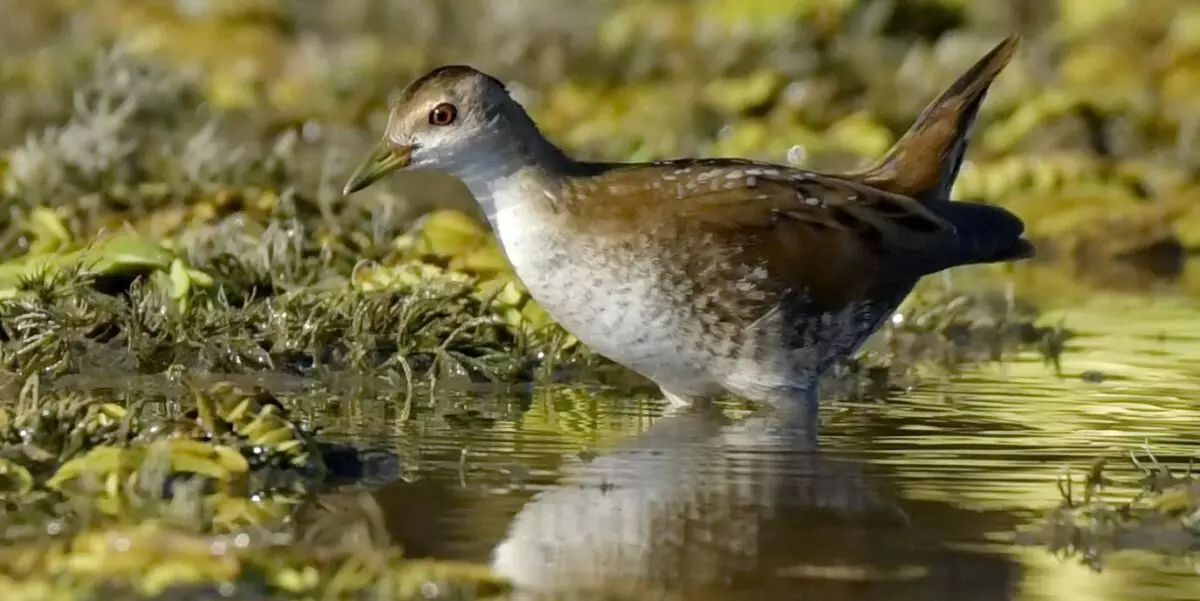
The little crake (Porzana parva) is a very small waterbird of the family Rallidae. The genus name Porzana is derived from Venetian terms for small rails, and parva is Latin for “small”. Its breeding habitat is reed beds in Europe, mainly in the east, and just into western Asia. This species is migratory, wintering in […]
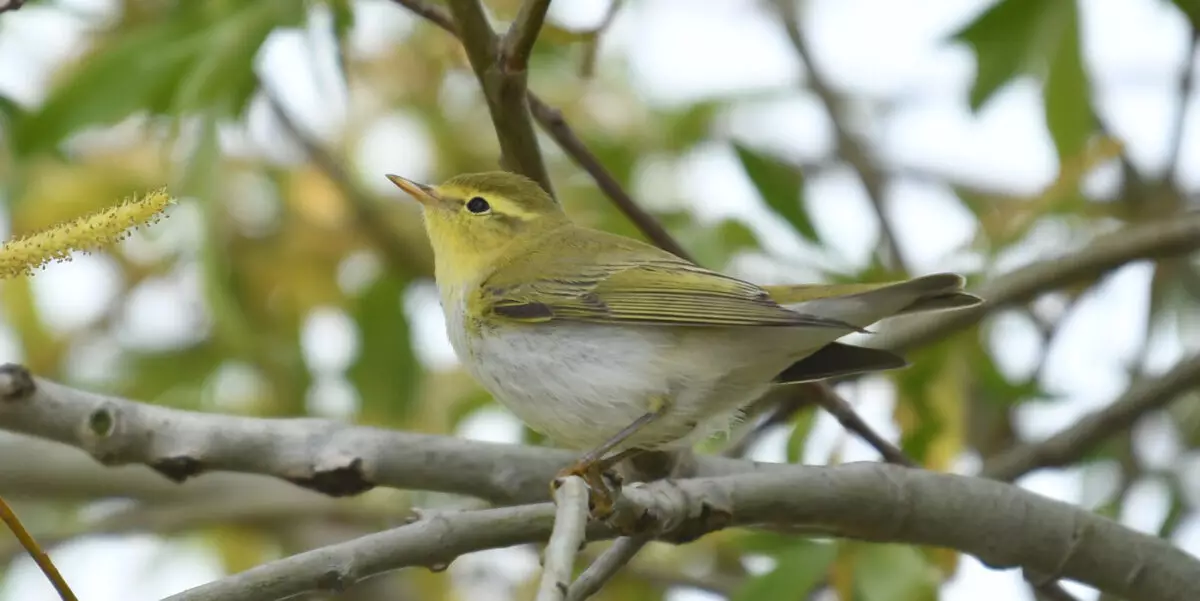
The wood warbler (Phylloscopus sibilatrix) is a common and widespread leaf warbler which breeds throughout northern and temperate Europe, and just into the extreme west of Asia in the southern Ural Mountains. The genus name Phylloscopus is from Ancient Greek phullon, “leaf”, and skopos, “seeker” (from skopeo, “to...
