


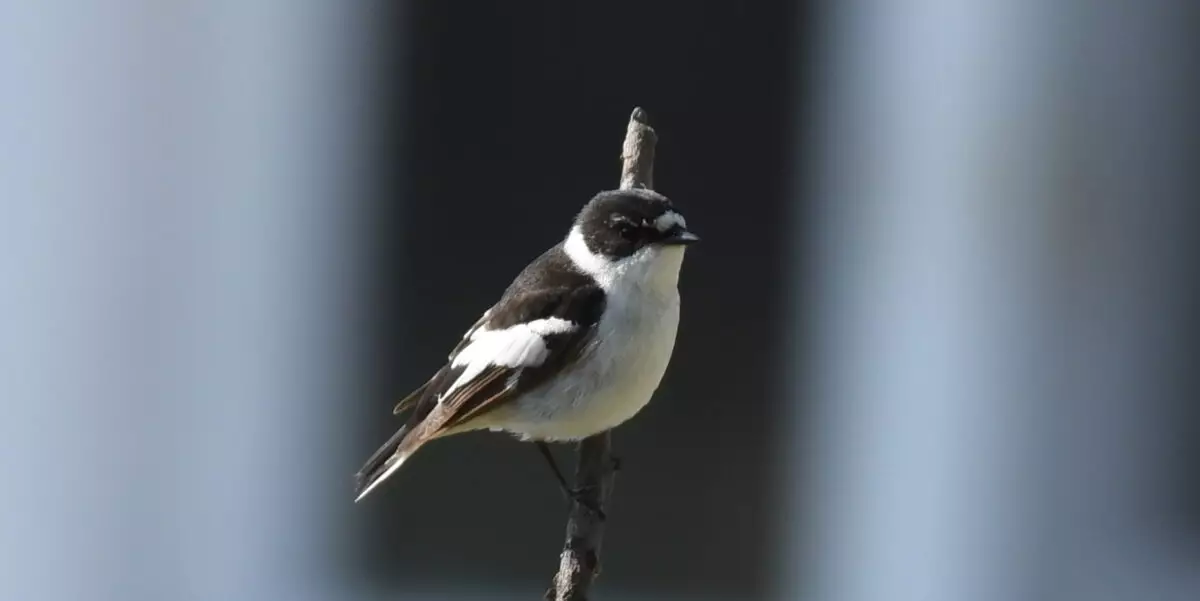
The semicollared flycatcher (Ficedula semitorquata) is a small passerine bird in the Old World flycatcher family, one of the four species of Western Palearctic black-and-white flycatchers. It breeds in the southeastern corner of Europe, the Middle East and southwestern Asia. The breeding male is mainly black above and white below, with a white...
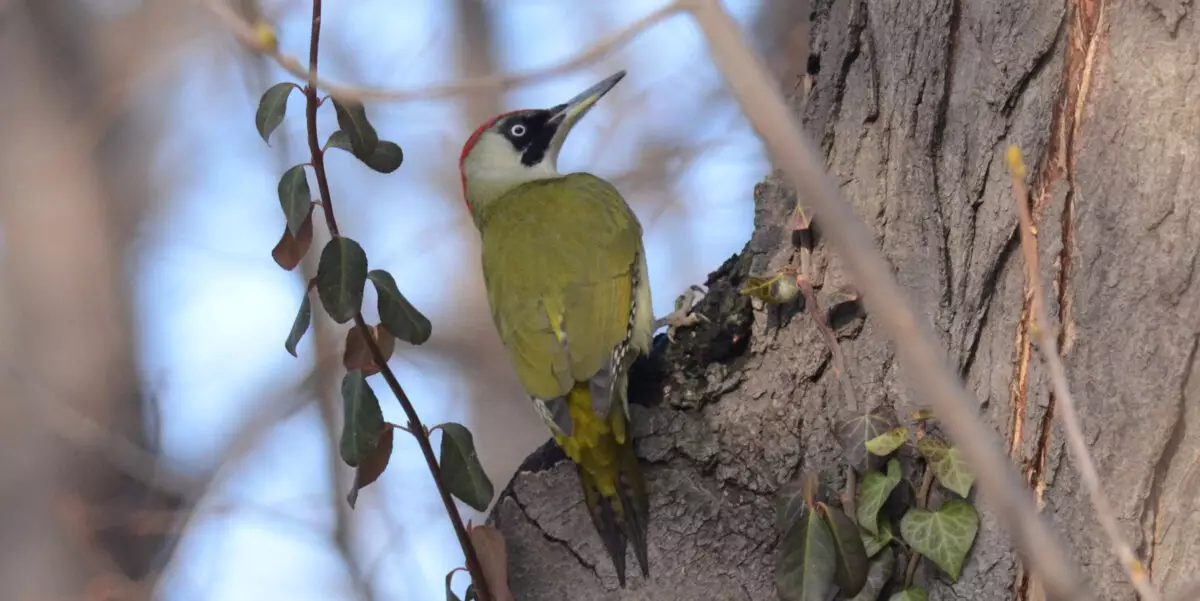
The European green woodpecker (Picus viridis) is a member of the woodpecker family Picidae. All have green upperparts, paler yellowish underparts, a red crown and moustachial stripe which has a red centre in males but is all black in females. The European green woodpecker spends much of its time feeding on ants on the ground […]
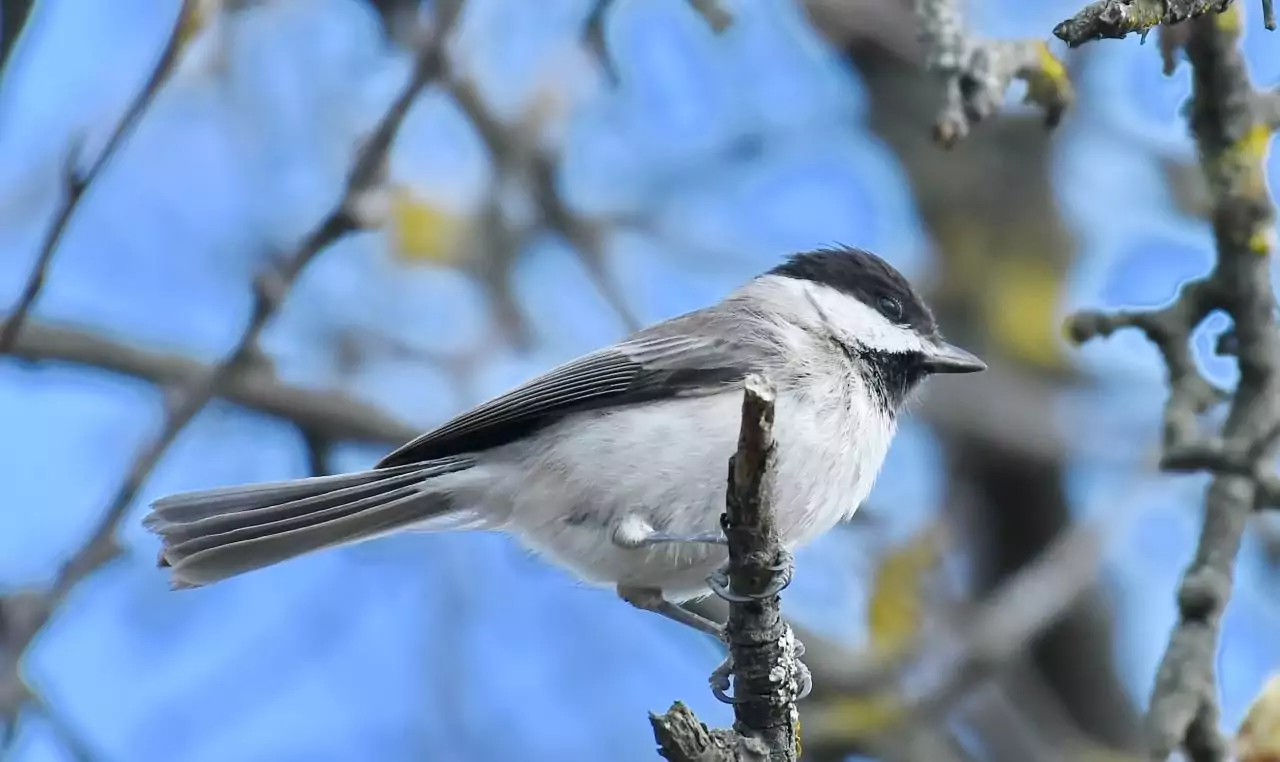
The sombre tit (Poecile lugubris) is a member of the tit family found in southeast Europe and southwest Asia. Sombre Tits occur in low density in thin woodlands at the elevation range between 1000 and 1600 m a.s.l. Just like the other Tit species, the Sombre Tit is a cavity-nesting species, which makes the nests […]

The moustached warbler (Acrocephalus melanopogon) is an Old World warbler in the genus Acrocephalus. It breeds in southern Europe and southern temperate Asia with a few in north-west Africa. It is partially migratory. The adult has a finely streaked brown back and white underparts. The forehead is flattened, there is a prominent whitish...

Buteo buteo vulpinus, which breeds from eastern Europe to western Siberia. During migration, it is commonly encountered in the eastern Balkans, Asia Minor, and the Middle East. It overwinters in eastern Africa. In atumn or winter some exemplares cross the fields near Danube Delta . photo : Mihai BACIU

The lesser white-fronted goose (Anser erythropus) is a goose closely related to the larger white-fronted goose (A. albifrons). It breeds in northernmost Asia, but it is a scarce breeder in Europe. The greylag goose has a flesh-coloured bill and legs, and the upper wing-coverts are bluish-grey. Both white-front species have a very conspicuous...

Richard’s pipit (Anthus richardi) is a medium-sized passerine bird which breeds in open grasslands in northern Asia. It is a long-distance migrant moving to open lowlands in the Indian subcontinent and Southeast Asia. It is a rare but regular vagrant to western Europe. These pipits are now commonly considered to be separate species...

The Sardinian warbler (Sylvia melanocephala) is a common and widespread typical warbler from the Mediterranean region. Like most Sylvia species, it has distinct male and female plumages. The adult male has a grey back, whitish underparts, black head, white throat and red eyes. Plumages are somewhat variable even in the same locality, with the...

The yellow-browed warbler (Phylloscopus inornatus) is a leaf warbler (family Phylloscopidae) which breeds in temperate Asia. It was formerly considered to comprise three subspecies, but P. i. humei and P. i. mandellii are now split as a separate species, Hume’s leaf warbler P. humei, leaving P. inornatus monotypic. The two sister species...
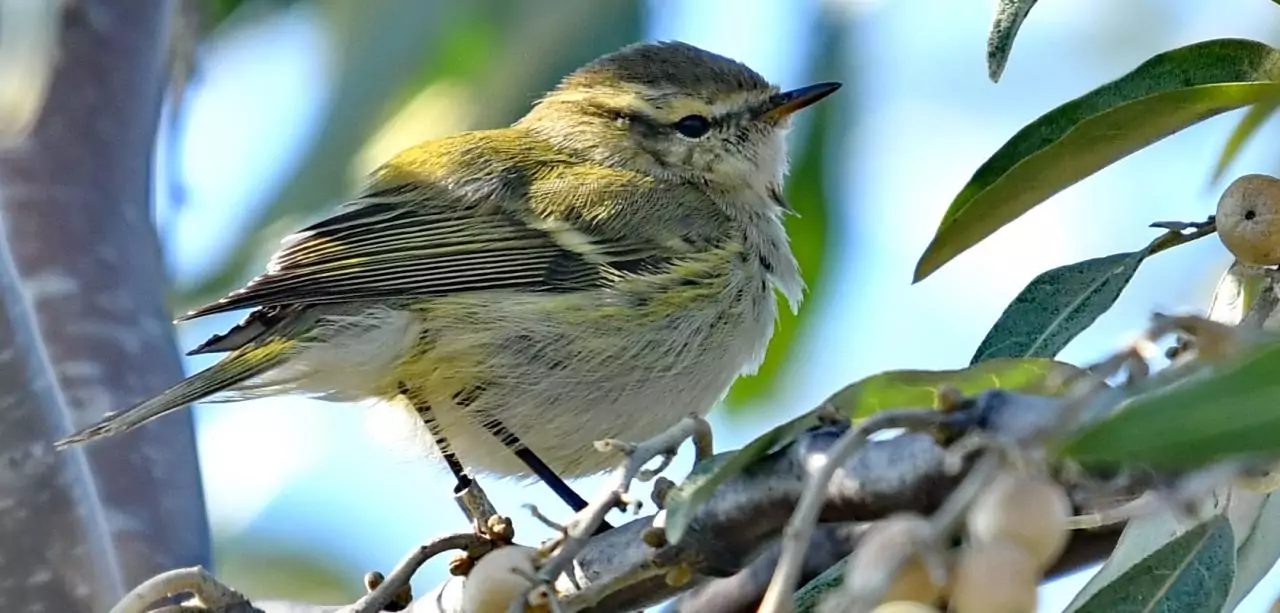
Hume’s leaf warbler or Hume’s warbler (Phylloscopus humei) is a small leaf warbler which breeds in the mountains of inner Asia. This warbler is migratory and winters mainly in India. Like most other leaf warblers, it has greenish upperparts and off-white underparts. With its long supercilium, crown stripe and yellow-margined tertial...

The pectoral sandpiper (Calidris melanotos) is a small, migratory wader that breeds in North America and Asia, wintering in South America and Oceania. It eats small invertebrates. Its nest, a hole scraped in the ground and with a thick lining, is deep enough to protect its four eggs from the cool breezes of its breeding […]
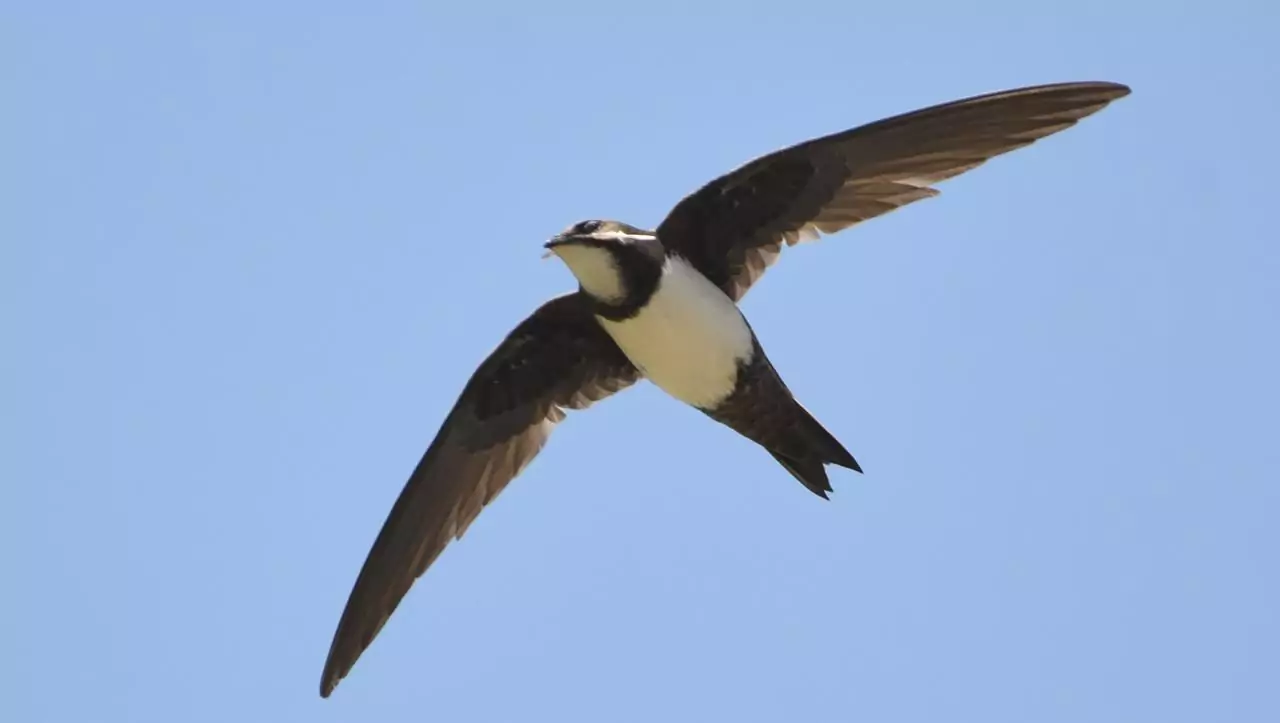
The Alpine swift (Tachymarptis melba) formerly Apus melba, is a species of swift. The genus name is from the Ancient Greek takhus, “fast”, and marptis, “seizer”. The specific melba has no known explanation. Alpine swifts breed in mountains from southern Europe to the Himalaya. Like common swifts, they are strongly...

The eastern imperial eagle (Aquila heliaca) is a large species of bird of prey that breeds from southeastern Europe to western and central Asia. Most populations are migratory and winter in northeastern Africa and southern and eastern Asia. However, the two are now regarded as separate species due to significant differences in morphology,...

The demoiselle crane (Grus virgo) is a species of crane found in central Eurasia, ranging from the Black Sea to Mongolia and North Eastern China. There is also a small breeding population in Turkey. These cranes are migratory birds. It is the smallest species of crane. The demoiselle crane is slightly smaller than the common […]
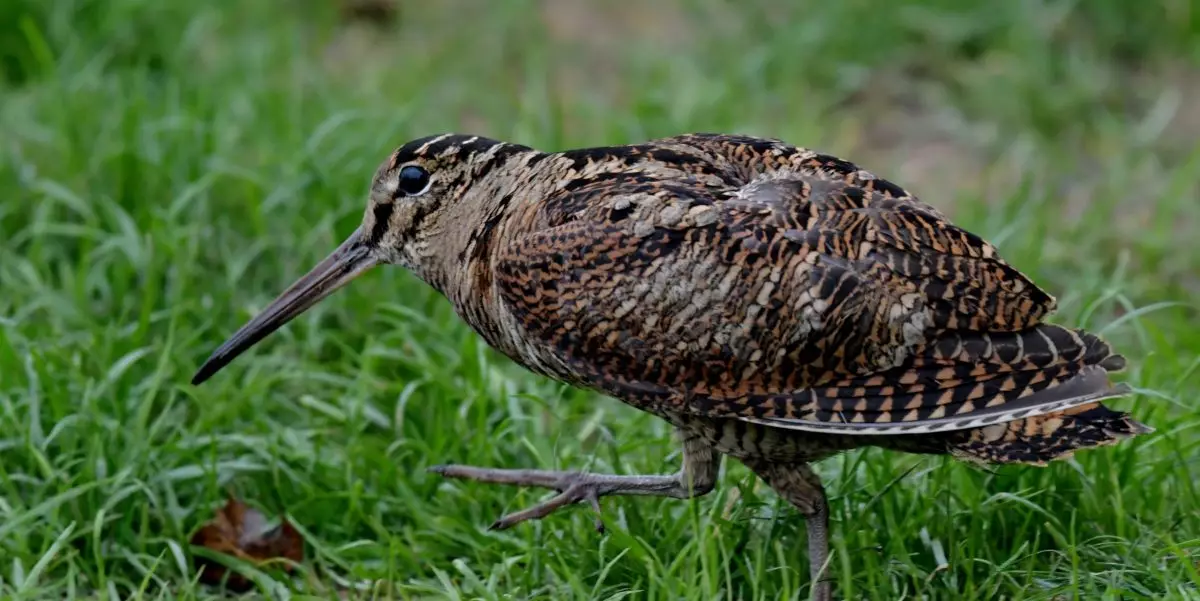
The Eurasian woodcock (Scolopax rusticola) is a medium-small wading bird found in temperate and subarctic Eurasia. It has cryptic camouflage to suit its woodland habitat, with reddish-brown upperparts and buff-coloured underparts. Its eyes are set far back on its head to give it 360-degree vision and it probes in the ground for food with its...
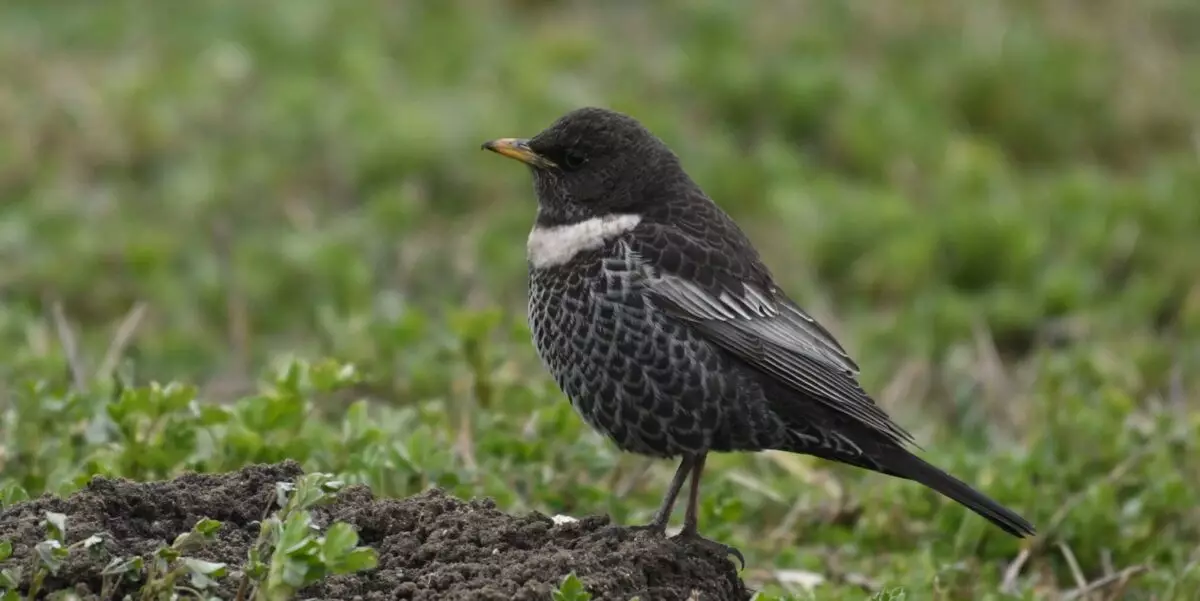
The ring ouzel (Turdus torquatus) is a European member of the thrush family, Turdidae. It is the mountain equivalent of the closely related common blackbird, and breeds in gullies, rocky areas or scree slopes. Nomenclature “Ouzel” (or “ousel”) is an old name for common blackbird from Old English osle. “Ouzel”...

The Eurasian dotterel (Charadrius morinellus), also known in Europe as just dotterel, is a small wader in the plover family of birds. The dotterel is a brown and black streaked bird with a broad white eye-stripe and an orange-red chest band when in breeding plumage. The female is more colourful than the male. The bird […]

Cetti’s warbler Cettia cetti, is an Old World warbler. It is a small, brown bush-warbler which breeds in southern and central Europe north-west Africa and east southern temperate Asia as far as Afghanistan and north-west Pakistan. Cetti’s warblers have a rounded head with a narrow pale grey stripe arching over conspicuous black eyes, and...

The common eider (Somateria mollissima) is a large sea-duck that is distributed over the northern coasts of Europe, North America and eastern Siberia. It breeds in Arctic and some northern temperate regions, but winters somewhat farther south in temperate zones, when it can form large flocks on coastal waters. The eider’s nest is built...

The horned lark (Eremophila alpestris), called the shore lark in Europe, is a species of lark in the Alaudidae family found across the northern hemisphere. Taxonomy and systematics The specific alpestris is Latin and means “of the high mountains”, from Alpes, the Alps. Subspecies Unlike most other larks, this is a...

. The common redpoll (Acanthis flammea) is a species of bird in the finch family. It breeds somewhat further south than the Arctic redpoll, also in habitats with thickets or shrubs. The common redpoll is a small brownish-grey finch with dark streaks and a bright red patch on its forehead. It has a black bib […]

The taiga bean goose (Anser fabalis) is a goose that breeds in northern Europe and Asia. It is migratory and winters further south in Europe and Asia. The bill is black at the base and tip, with an orange band across the middle; the legs and feet are also bright orange. The upper wing-coverts are […]

The desert wheatear (Oenanthe deserti) is a wheatear, a small passerine bird that was formerly classed as a member of the thrush family Turdidae, but is now more generally considered to be an Old World flycatcher (Muscicapidae). The plumage of the upper parts of the male in summer is buff. The underparts are white with […]

The European herring gull (Larus argentatus) is a large gull (up to 26 in (66 cm) long). One of the best known of all gulls along the shores of western Europe, it was once abundant.It breeds across Northern Europe, Western Europe, Central Europe, Eastern Europe, Scandinavia and the Baltic states. Adults in breeding plumage have […]
