


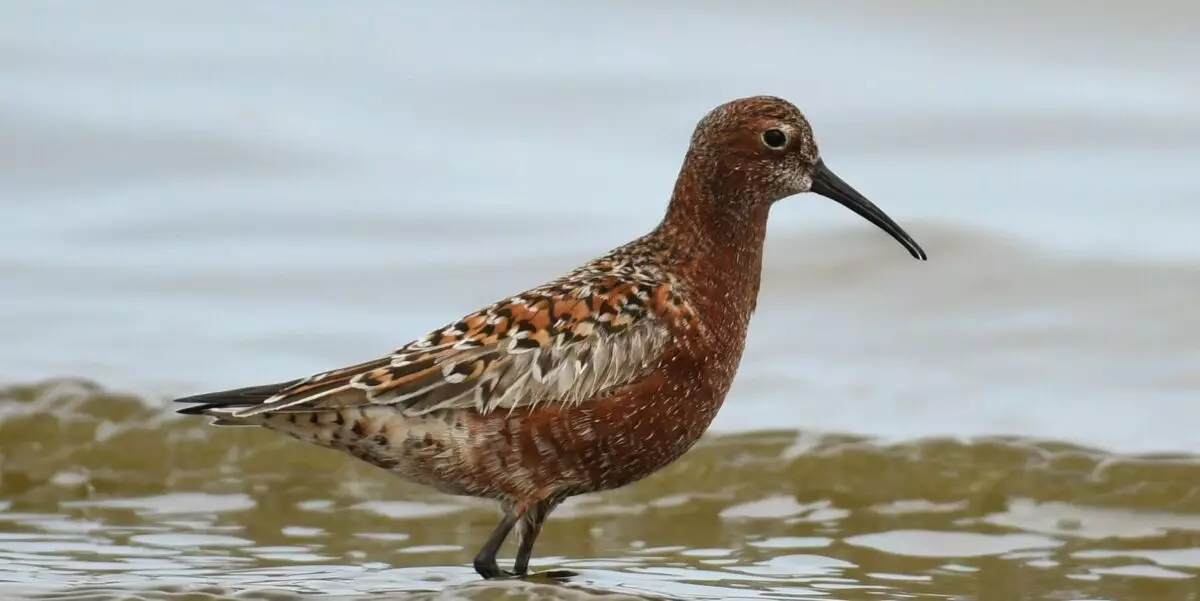
The Curlew Sandpiper (Calidris ferruginea) is a small wader that breeds on the tundra of Arctic Siberia. It is strongly migratory, wintering mainly in Africa, but also in south and southeast Asia and in Australasia. It is a vagrant to North America. These birds are small waders, only slightly larger than Dunlin at 19.5–21 cm in […]
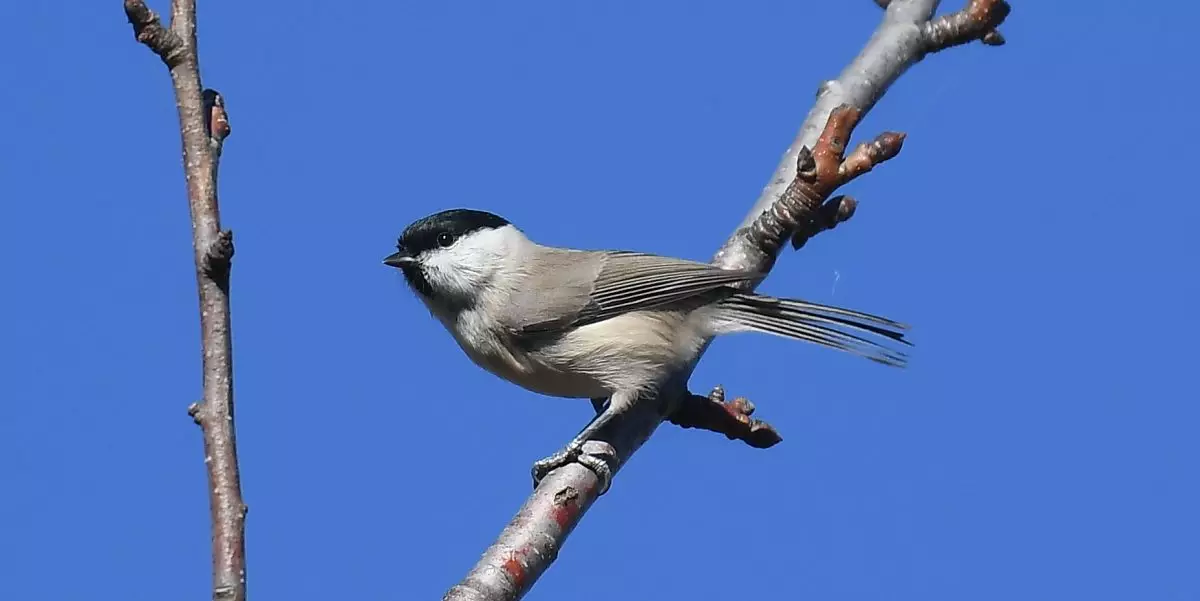
The Marsh Tit Poecile palustris is a passerine bird in the tit family Paridae and genus Poecile, closely related to the Willow, Père David’s and Songar Tits. It is small (around 12 cm long and weighing 12 g) with a black crown and nape, pale cheeks, brown back and greyish-brown wings and tail. Between 8 and […]
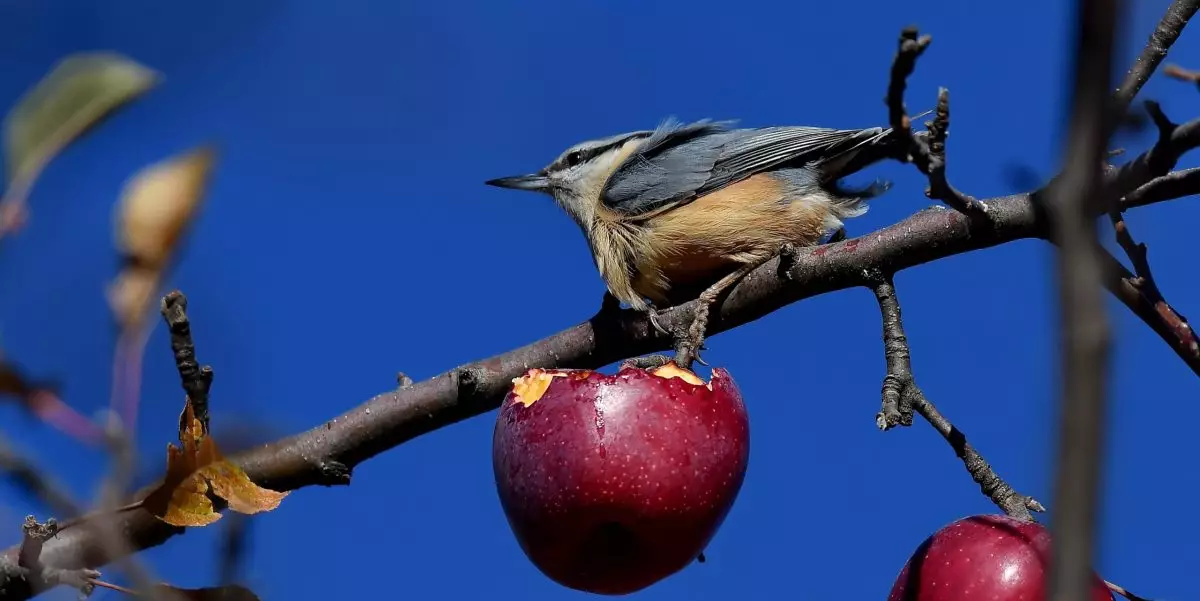
The Eurasian Nuthatch (Sitta europaea) is a small passerine found throughout temperate Europe and Asia. It belongs to the nuthatch family Sittidae. This bird is the most common and most widespread of all nuthatches, and is often referred to just as the Nuthatch in Europe. The Eurasian Nuthatch is 14 cm (5.5 in) long and has the […]
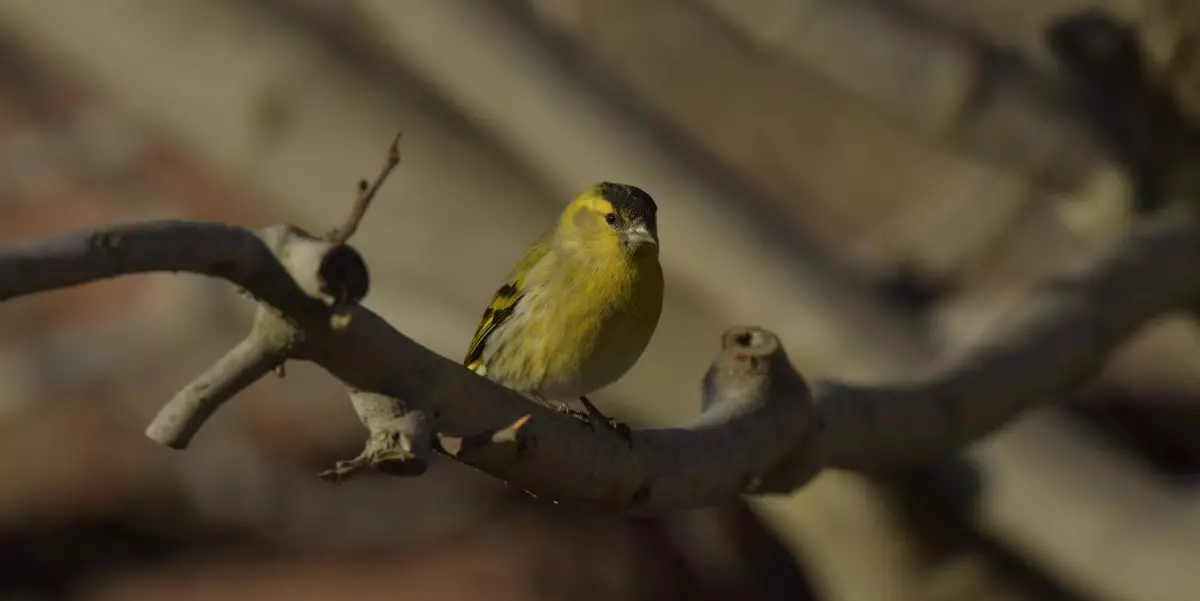
The Eurasian Siskin (Carduelis spinus) is a small passerine bird in the finch family Fringillidae. It is also called the European Siskin, Common Siskin or just Siskin. Other (archaic) names include Black-headed Goldfinch, barley bird and aberdevine. It is very common throughout Europe and Asia. It is found in forested areas, both coniferous and...
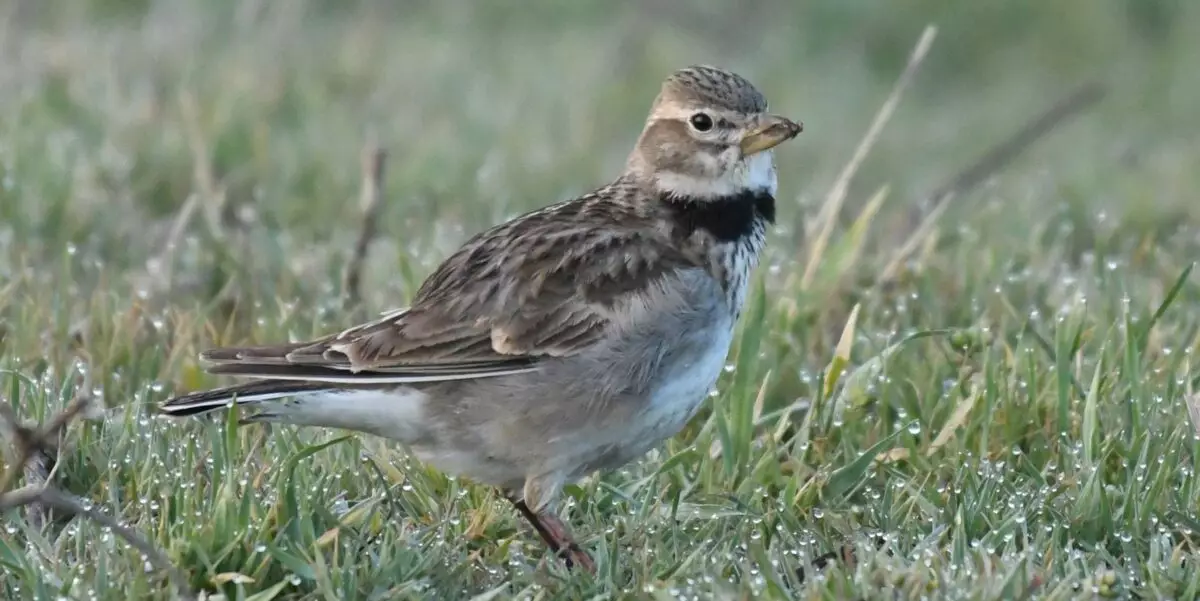
The Calandra Lark (Melanocorypha calandra) breeds in warm temperate countries around the Mediterranean and eastwards through Turkey into northern Iran and southern Russia. It is replaced further east by its relative, the Bimaculated Lark. It is mainly resident in the west of its range, but Russian populations of this passerine bird are more...

The Ortolan, or Ortolan Bunting (Emberiza hortulana) is a bird in the bunting family Emberizidae, a passerine family now separated by most modern authors from the finches, Fringillidae. The bird’s common name is French, from the Latin hortulanus, the gardener bird, (from hortus, a garden). A native of most European countries and western...
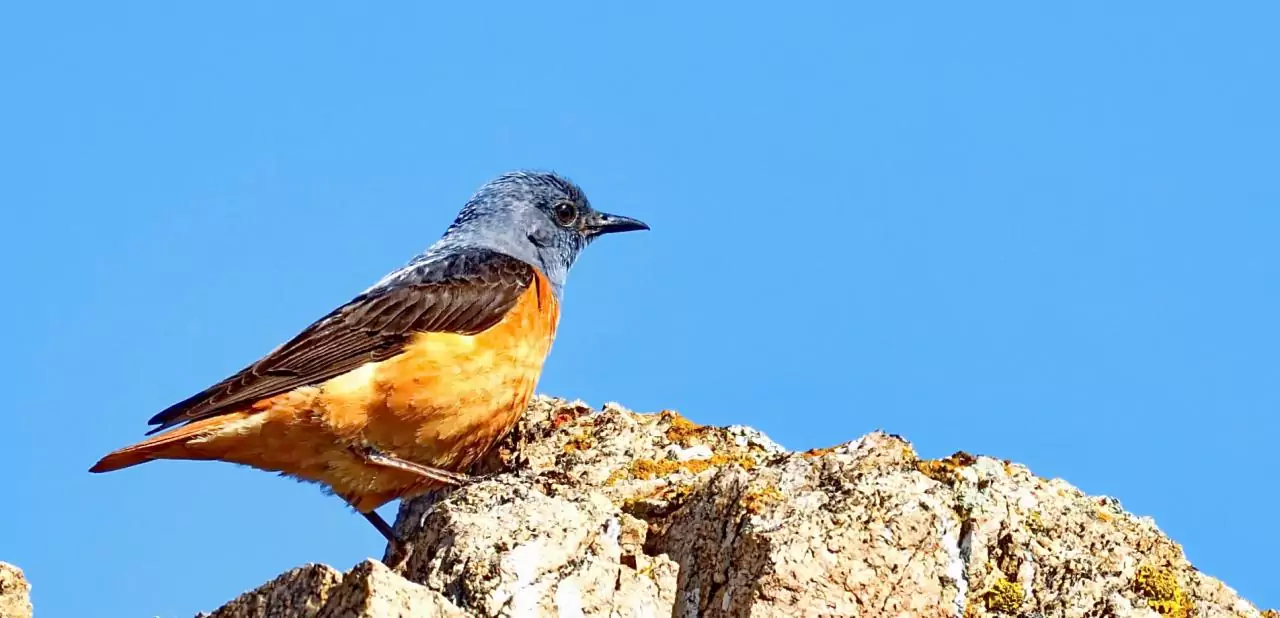
The Common Rock Thrush (Monticola saxatilis), formerly Rufous-tailed Rock Thrush or Rock Thrush, is a chat belonging to the Muscicapidae family. It was formerly placed in the Turdidae family. It breeds in southern Europe across central Asia to northern China. This species is strongly migratory, all populations wintering in Africa south of the...
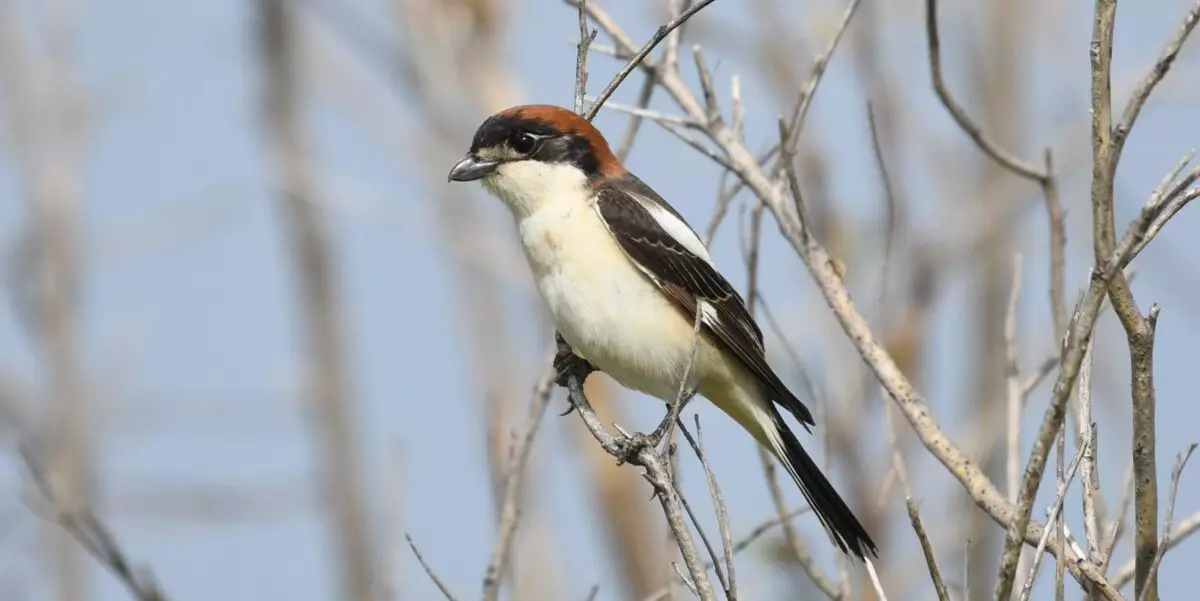
The Woodchat Shrike (Lanius senator) is a member of the shrike family Laniidae. The Woodchat breeds in southern Europe, the Middle East and northwest Africa, and winters in tropical Africa. It breeds in open cultivated country, preferably with orchard trees and some bare or sandy ground. The male is a striking bird with black and […]
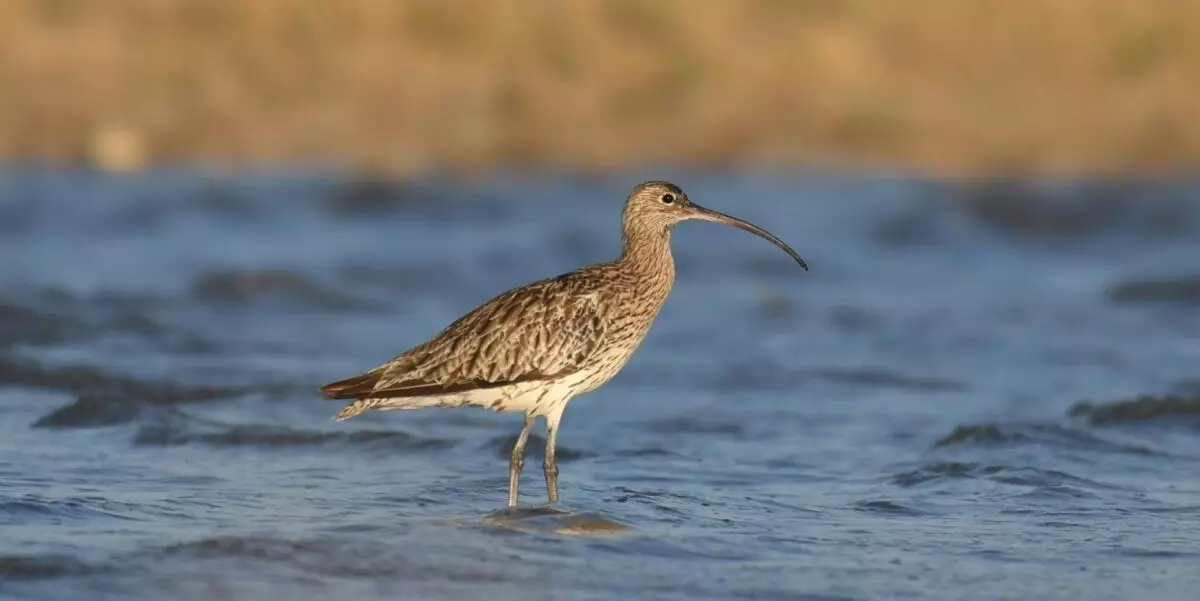
The Eurasian Curlew (Numenius arquata) is a wader in the large family Scolopacidae. It is one of the most widespread of the curlews, breeding across temperate Europe and Asia. In Europe, this species is often referred to just as the “Curlew”, and in Scotland known as the “whaup” in Scots. This is the largest wader […]
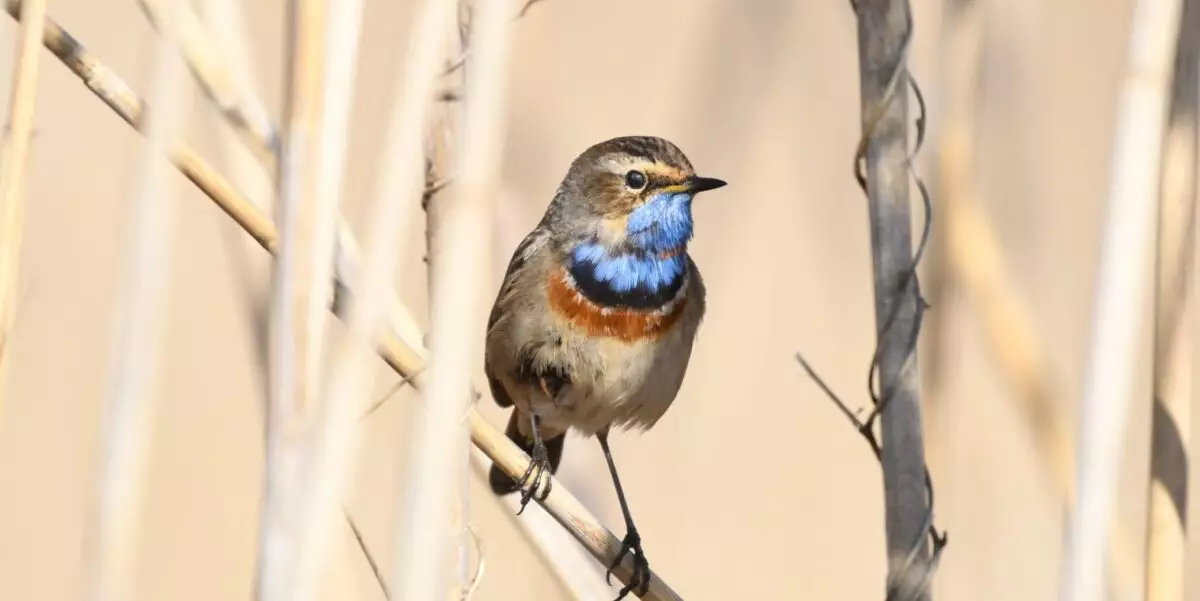
The Bluethroat (Luscinia svecica) is a small passerine bird that was formerly classed as a member of the thrush family Turdidae, but is now more generally considered to be an Old World flycatcher, Muscicapidae. It, and similar small European species, are often called chats. It is a migratory insectivorous species breeding in wet birch wood...
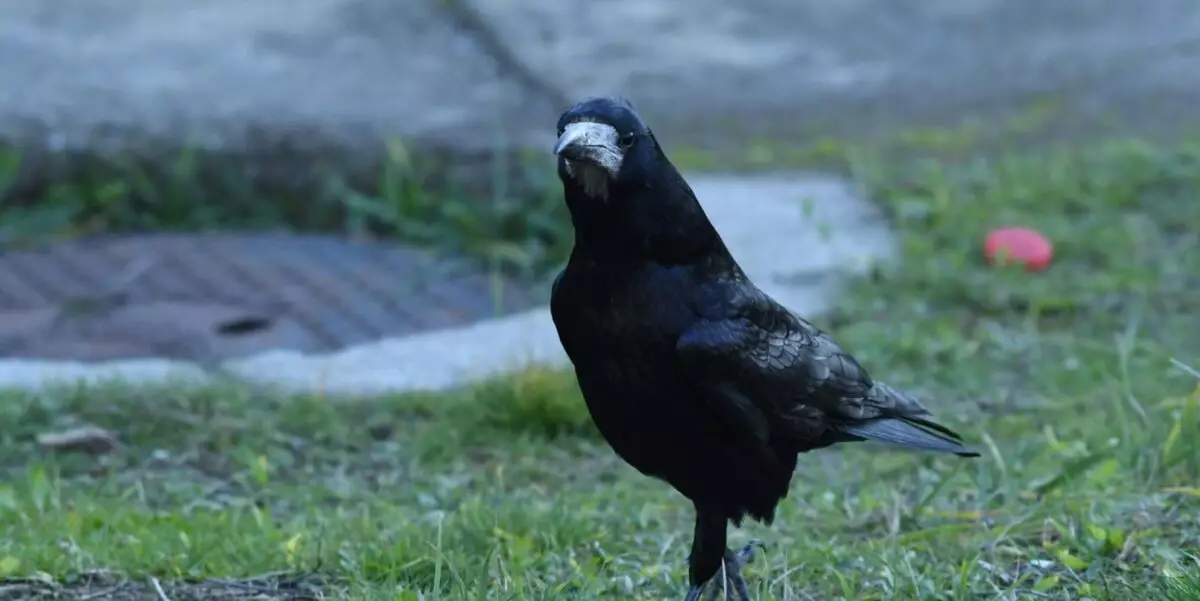
The Rook (Corvus frugilegus) is a member of the Corvidae family in the passerine order of birds. Named by Carl Linnaeus in 1758, the species name frugilegus is Latin for “food-gathering”. This species is similar in size (45–47 cm in length) to or slightly smaller than the Carrion Crow with black feathers often showing a blue […]
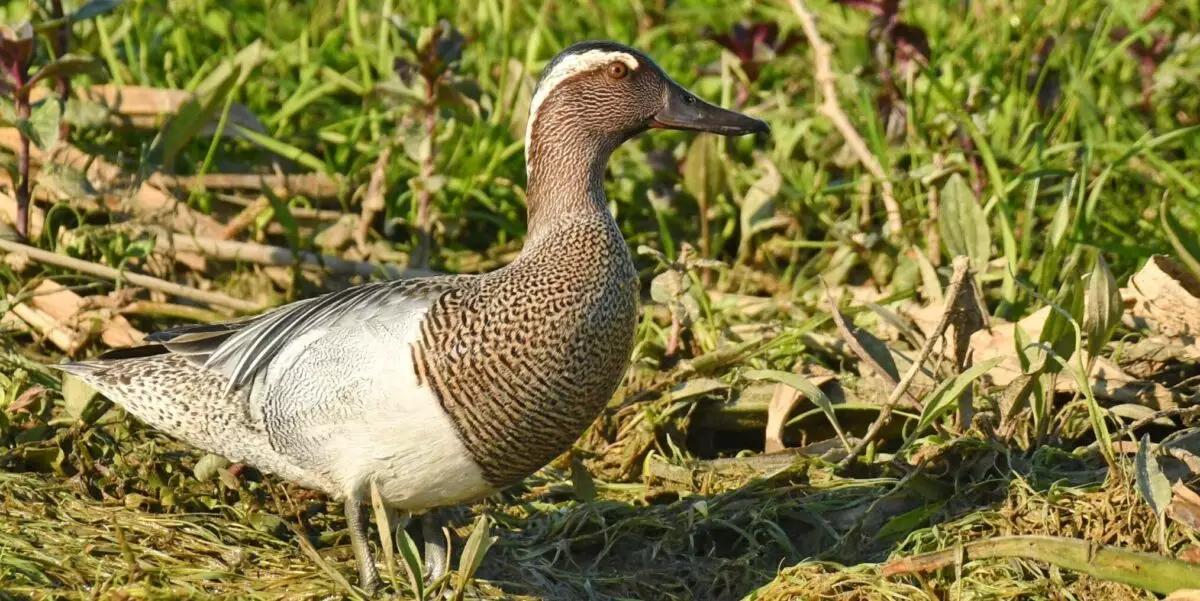
The Garganey (Anas querquedula) is a small dabbling duck. It breeds in much of Europe and western Asia, but is strictly migratory, with the entire population moving to southern Africa, India (in particular Santragachi), and Australasia in winter, where large flocks can occur. This species was first described by Linnaeus in 1758 under its...
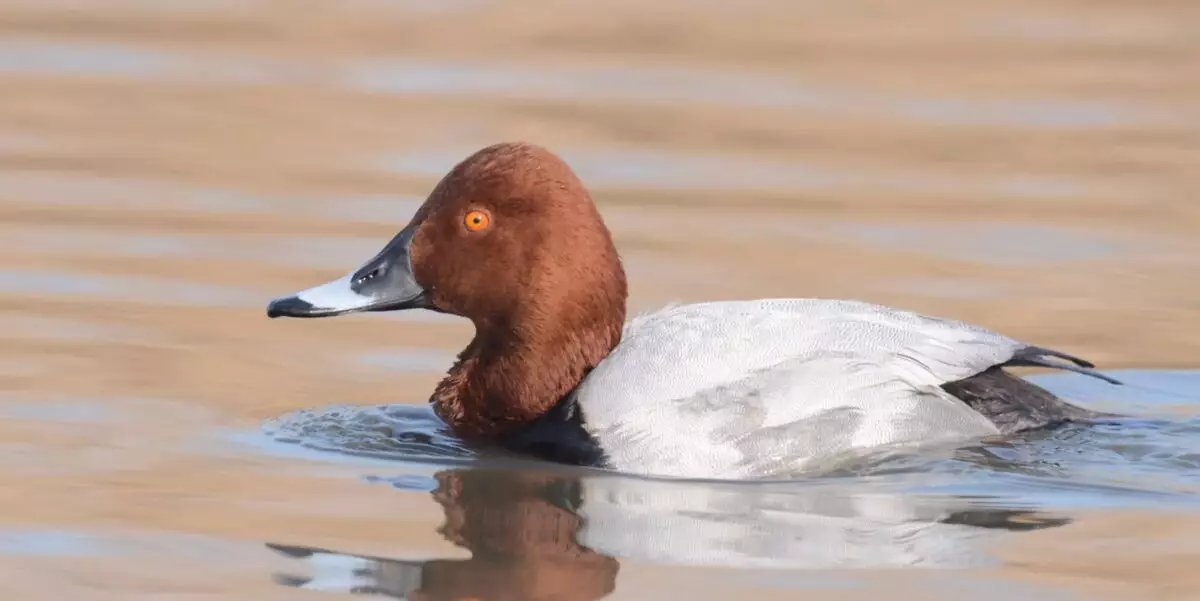
The Common Pochard (Aythya ferina) is a medium-sized diving duck. The adult male has a long dark bill with a grey band, a red head and neck, a black breast, red eyes and a grey back. The adult female has a brown head and body and a narrower grey bill-band. The triangular head shape is […]
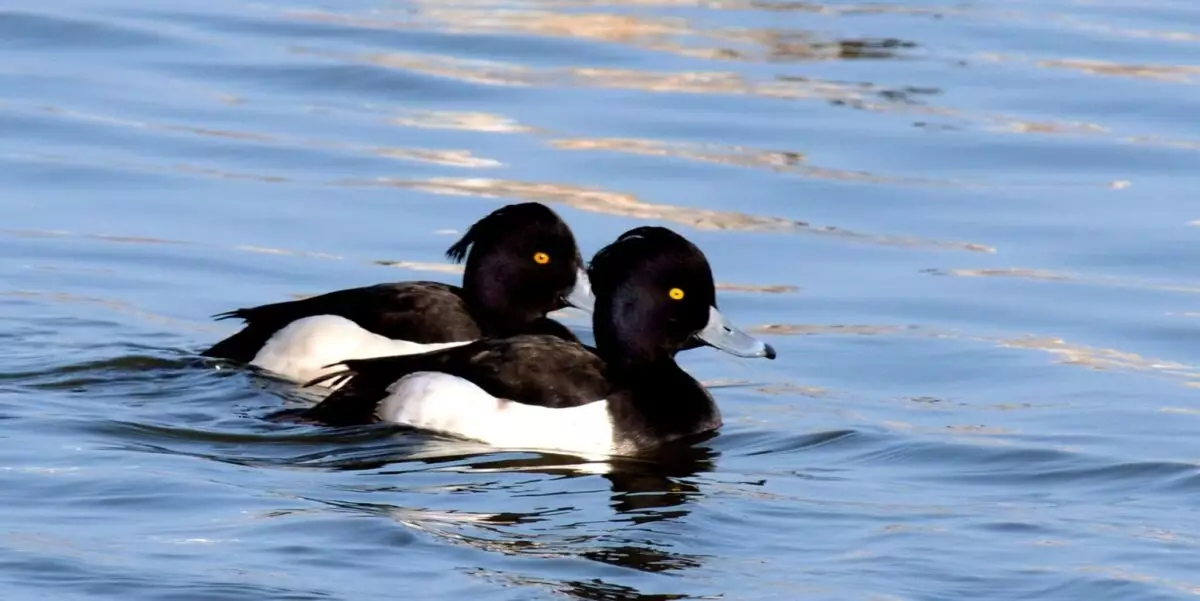
The Tufted Duck (Aythya fuligula) is a medium-sized diving duck with a population of close to one million birds. The adult male is all black except for white flanks and a blue-grey bill. It has an obvious head tuft that gives the species its name. The adult female is brown with paler flanks, and is […]
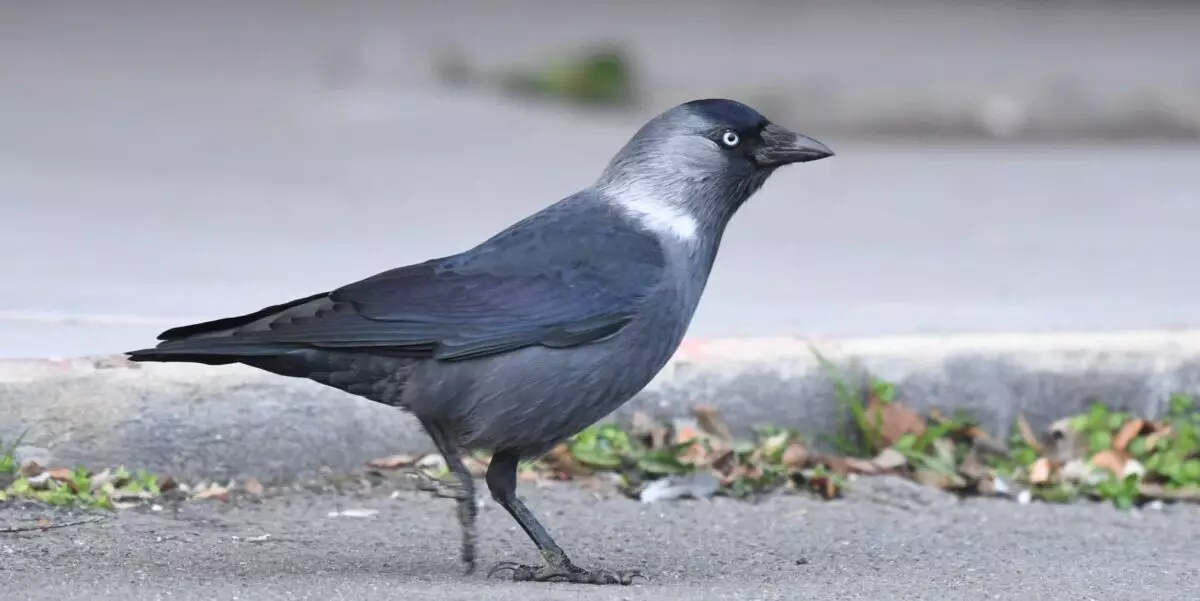
The Western Jackdaw (Corvus monedula), also known as the Eurasian Jackdaw, European Jackdaw or simply Jackdaw, is a passerine bird in the crow family. Found across Europe, western Asia and North Africa, it is mostly resident, although northern and eastern populations migrate south in winter. Four subspecies are recognised, which mainly differ...
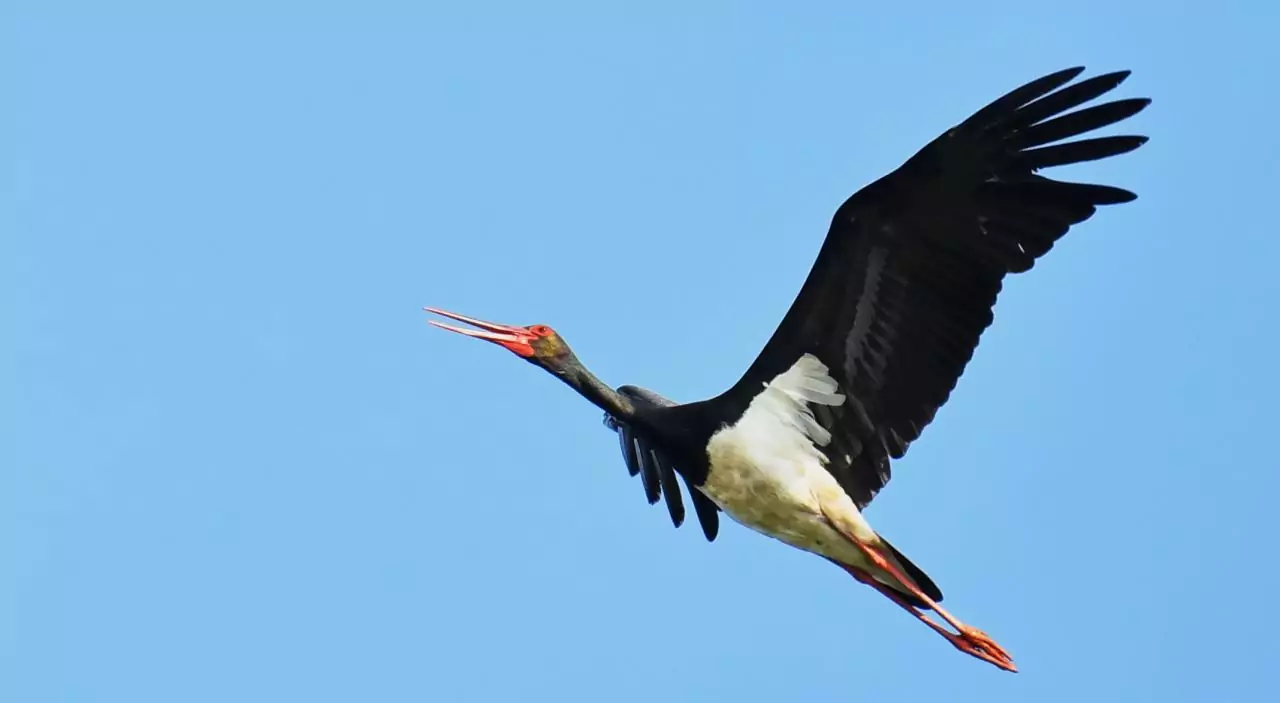
The Black Stork (Ciconia nigra) is a large wading bird in the stork family Ciconiidae. It is a widespread, but uncommon, species that breeds in the warmer parts of Europe (predominantly in central and eastern regions), across temperate Asia and Southern Africa. This is a shy and wary species, unlike the closely related White Stork. […]
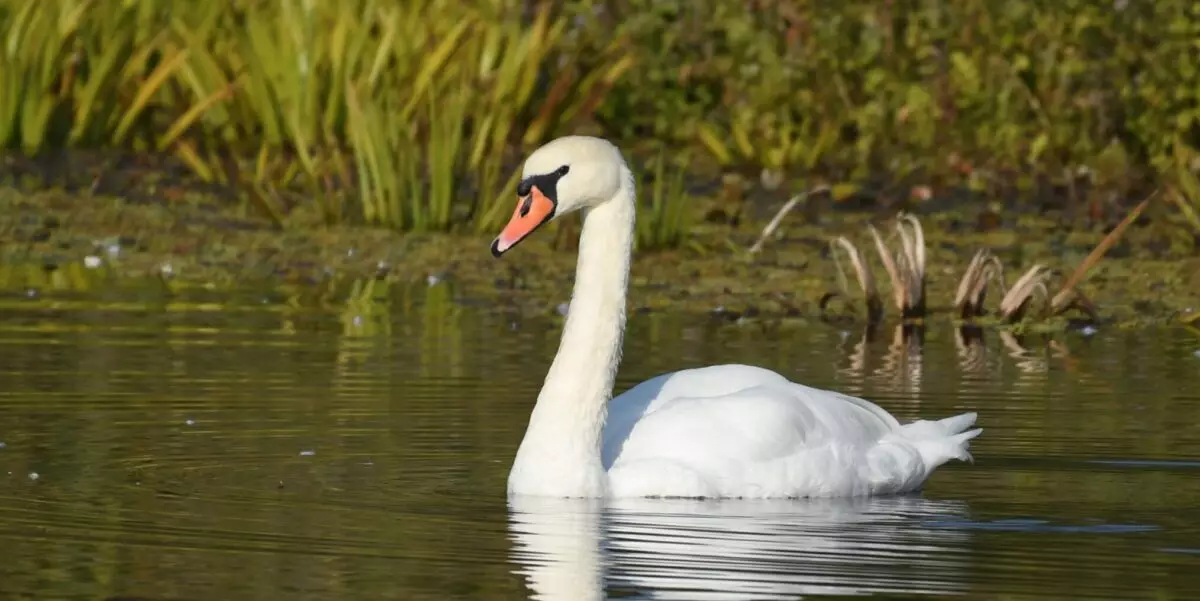
The Mute Swan (Cygnus olor) is a species of swan, and thus a member of the waterfowl family Anatidae. It is native to much of Europe and Asia, and (as a rare winter visitor) the far north of Africa. It is also an introduced species in North America, Australasia and southern Africa. The name ‘mute’ […]
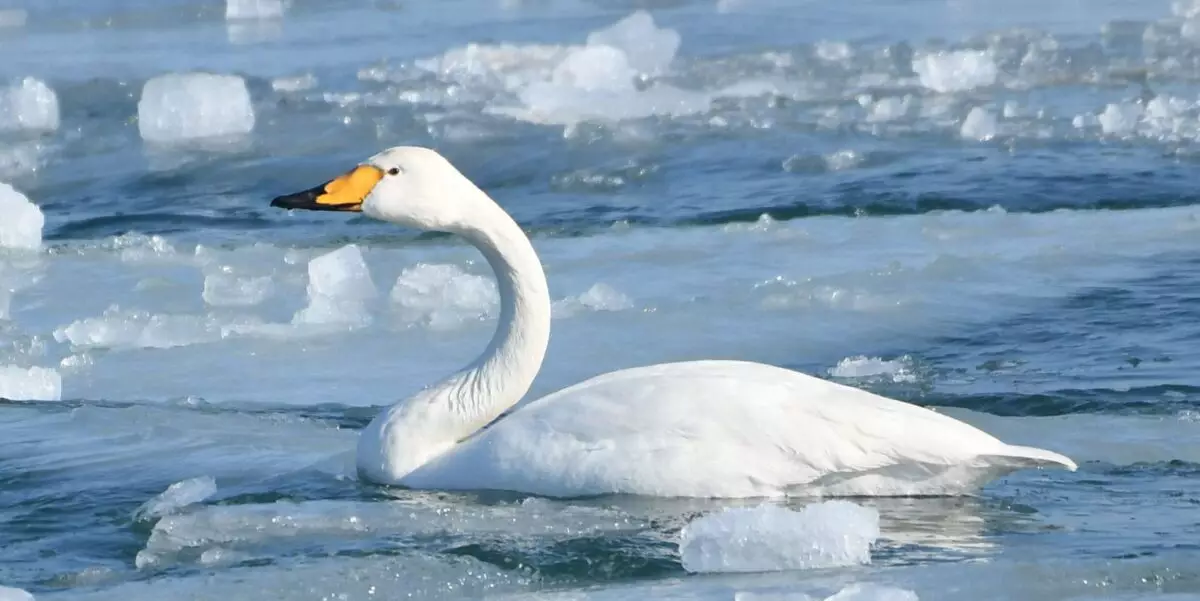
The Whooper Swan (pronounced hooper), Cygnus cygnus, is a large Northern Hemisphere swan. It is the Eurasian counterpart of the North American Trumpeter Swan. An old name for the Whooper Swan is ‘Elk’; it is so called in Francis Willughby and John Ray’s Ornithology of 1676. The Whooper Swan is similar in appearance to the...
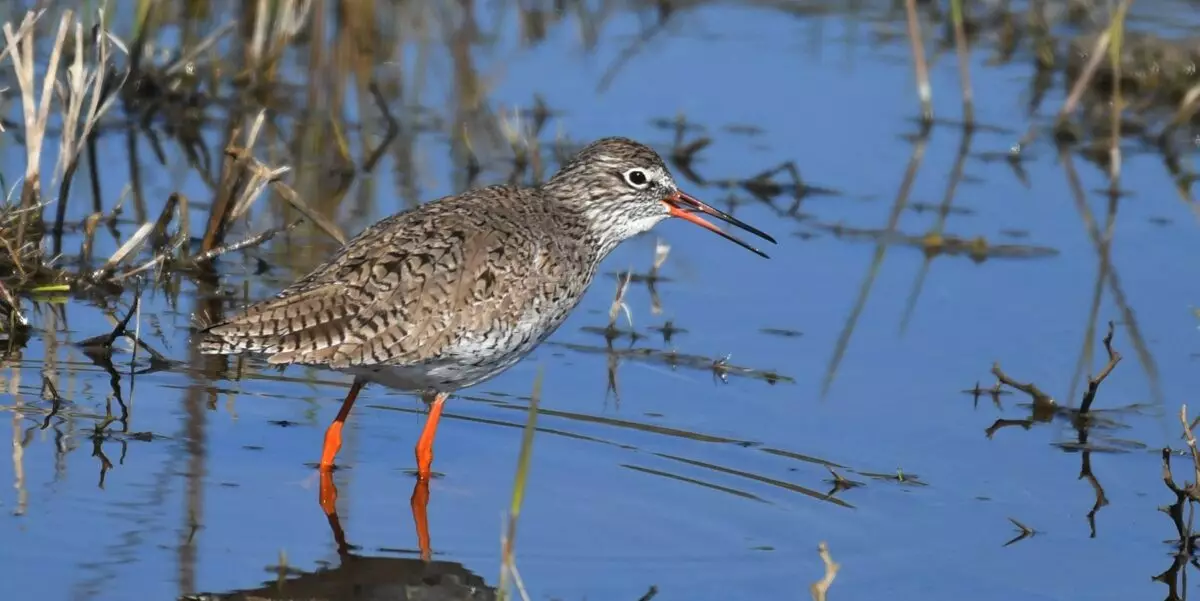
The Common Redshank or simply Redshank (Tringa totanus) is an Eurasian wader in the large family Scolopacidae. Common Redshanks in breeding plumage are a marbled brown color, slightly lighter below. In winter plumage they become somewhat lighter-toned and less patterned, being rather plain greyish-brown above and whitish below. They have red...
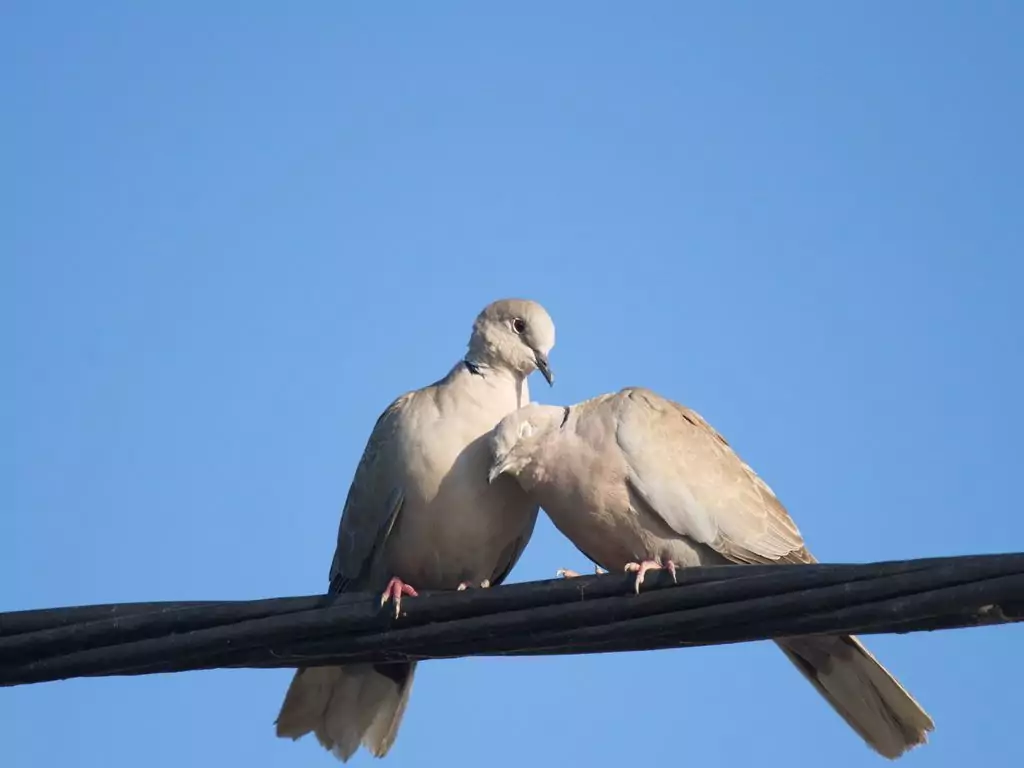
The Eurasian Collared Dove (Streptopelia decaocto) most often simply called the Collared Dove, also sometimes hyphenated as Eurasian Collared-dove is a species of dove native to Asia and Europe, and also recently introduced in North America. It is a medium sized dove, distinctly smaller than the Wood Pigeon, similar in length to a Rock Pigeon...
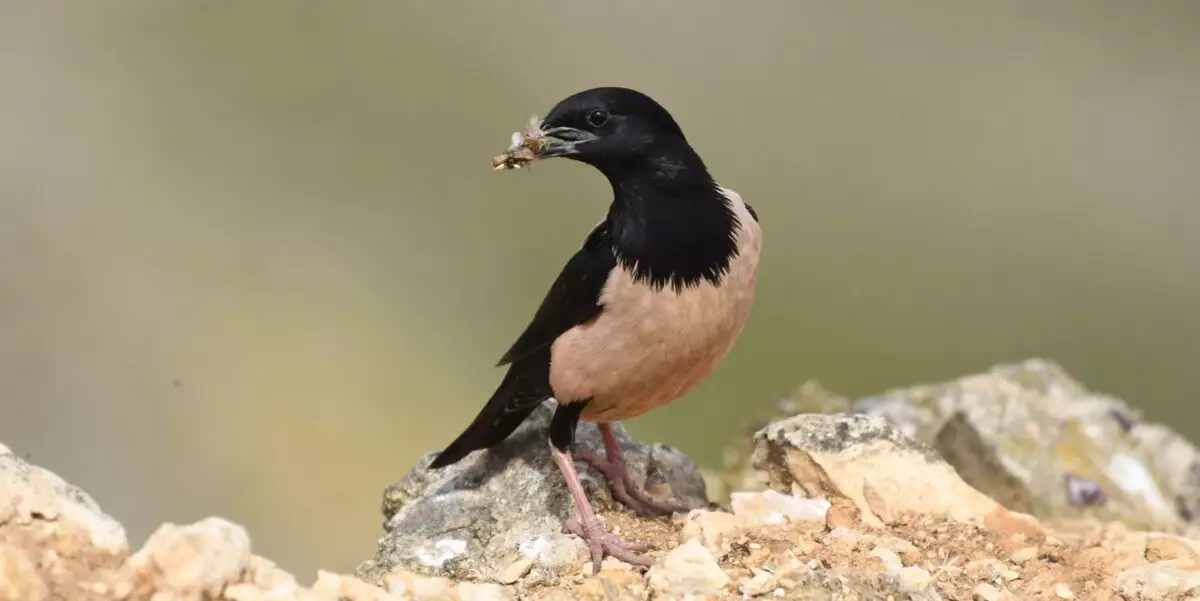
The Rosy Starling (Pastor roseus) is a passerine bird in the starling family Sturnidae, also known as the Rose-coloured Starling or Rose-coloured Pastor. The species was recently placed in its own monotypic genus, Pastor, and split from Sturnus. This split is supported by recent studies, though its closest living relatives are still not...
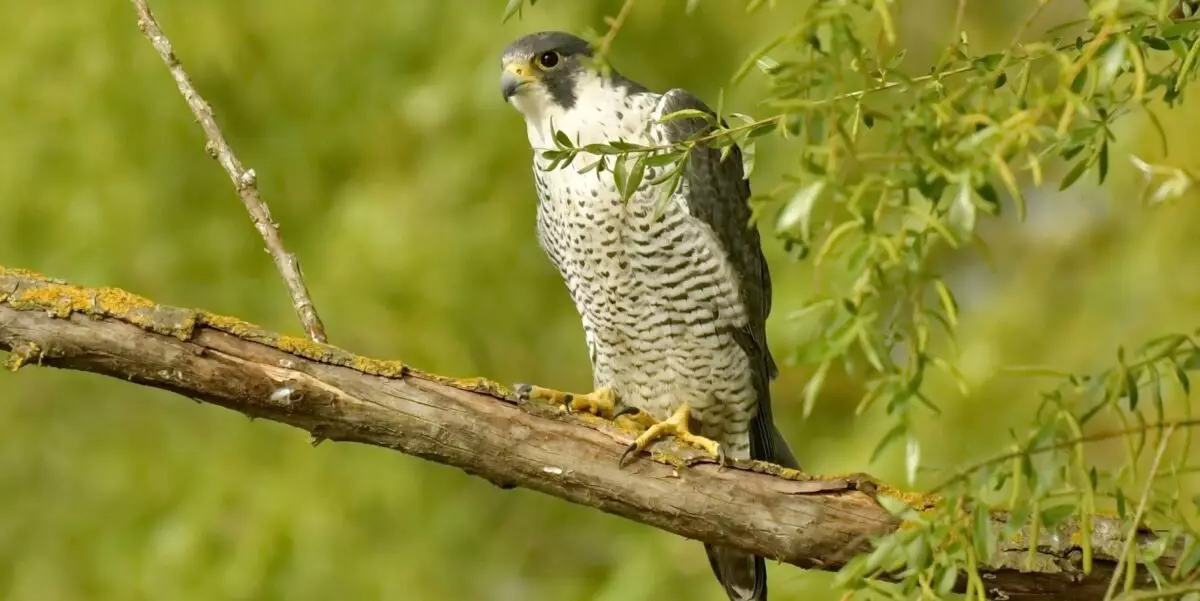
The Peregrine Falcon (Falco peregrinus), also known as the Peregrine, and historically as the Duck Hawk in North America, is a widespread bird of prey in the family Falconidae. A large, crow-sized falcon, it has a blue-grey back, barred white underparts, and a black head and “moustache”. As is typical of bird-eating raptors,...
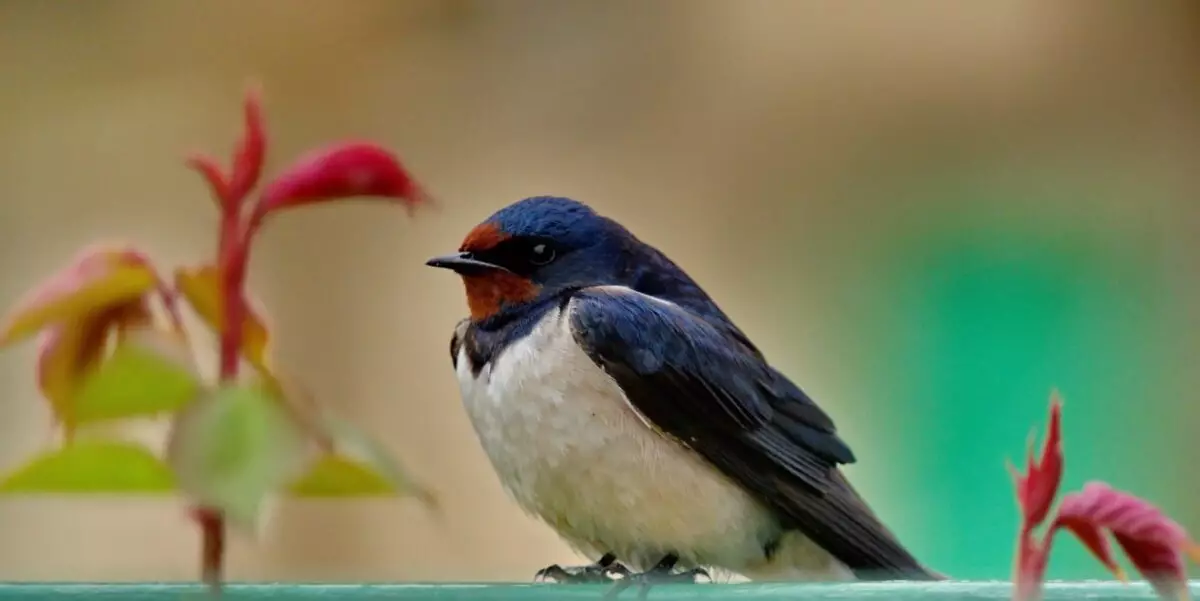
“European swallow” redirects here. For the well-known plot element, see Monty Python and the Holy Grail. The Barn Swallow is a bird of open country which normally uses man-made structures to breed and consequently has spread with human expansion. It builds a cup nest from mud pellets in barns or similar structures and feeds on...
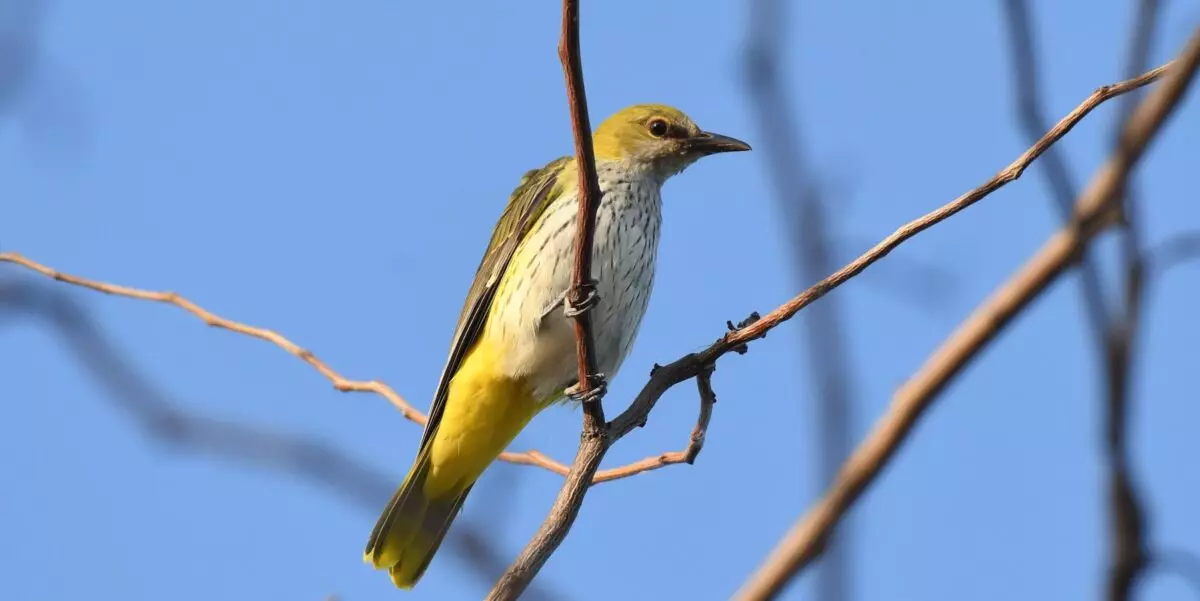
The Eurasian Golden Oriole or simply Golden Oriole (Oriolus oriolus) is the only member of the oriole family of passerine birds breeding in northern hemisphere temperate regions. It is a summer migrant in Europe and western Asia and spends the winter season in central and southern Africa Until a few years ago this species was […]
