


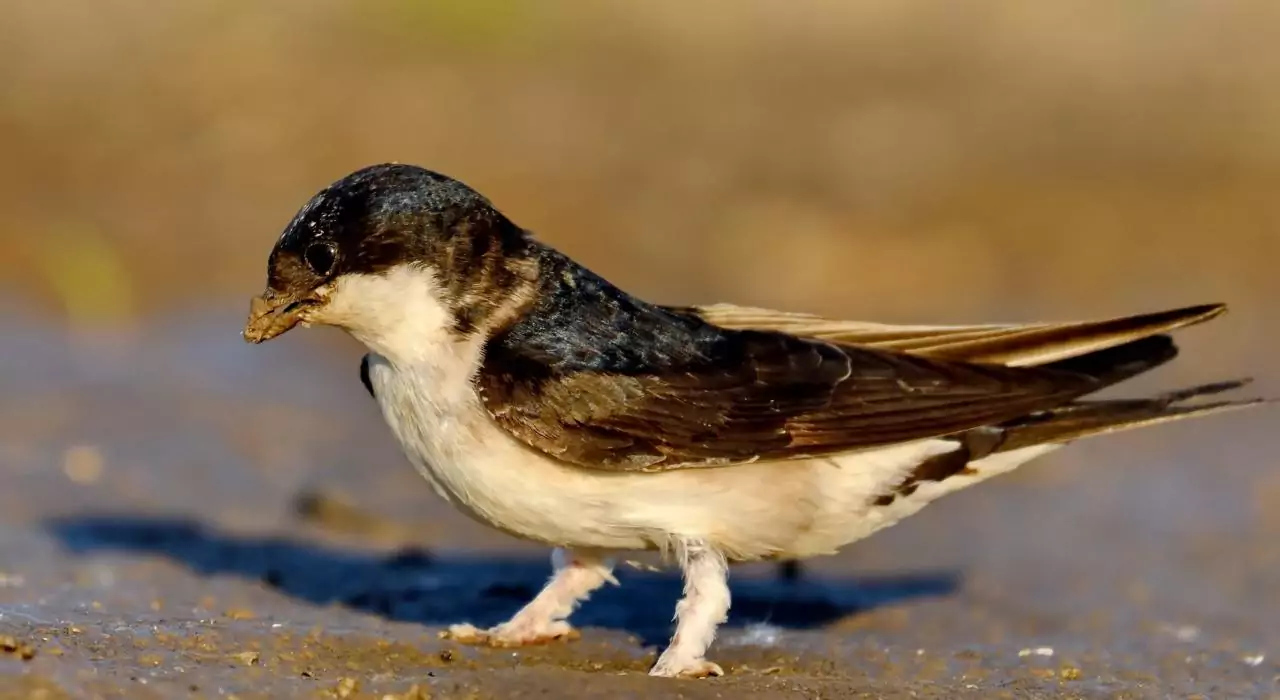
The Common House Martin (Delichon urbicum), sometimes called the Northern House Martin or, particularly in Europe, just House Martin, is a migratory passerine bird of the swallow family which breeds in Europe, north Africa and temperate Asia; and winters in sub-Saharan Africa and tropical Asia. It feeds on insects which are caught in flight,...

The Common Buzzard (Buteo buteo) is a medium to large bird of prey, whose range covers most of Europe and extends into Asia. It is usually resident all year, except in the coldest parts of its range, and in the case of one subspecies. The Common Buzzard measures between 40 and 58 cm (16 and […]

The Common Sandpiper (Actitis hypoleucos) is a small Palearctic wader. This bird and its American sister species, the Spotted Sandpiper (A. macularia), make up the genus Actitis. They are parapatric and replace each other geographically; stray birds of either species may settle down with breeders of the other and hybridize. Hybridization has...

The Common Goldeneye (Bucephala clangula) is a medium-sized sea duck of the genus Bucephala, the goldeneyes. Their closest relative is the similar Barrow’s Goldeneye. Adult males ranges from 45–52 cm (18–21 inches) and from 888 to 1400 grams (1.9 to 3.1 lbs), while females range from 40–50 cm (16–20 inches)...
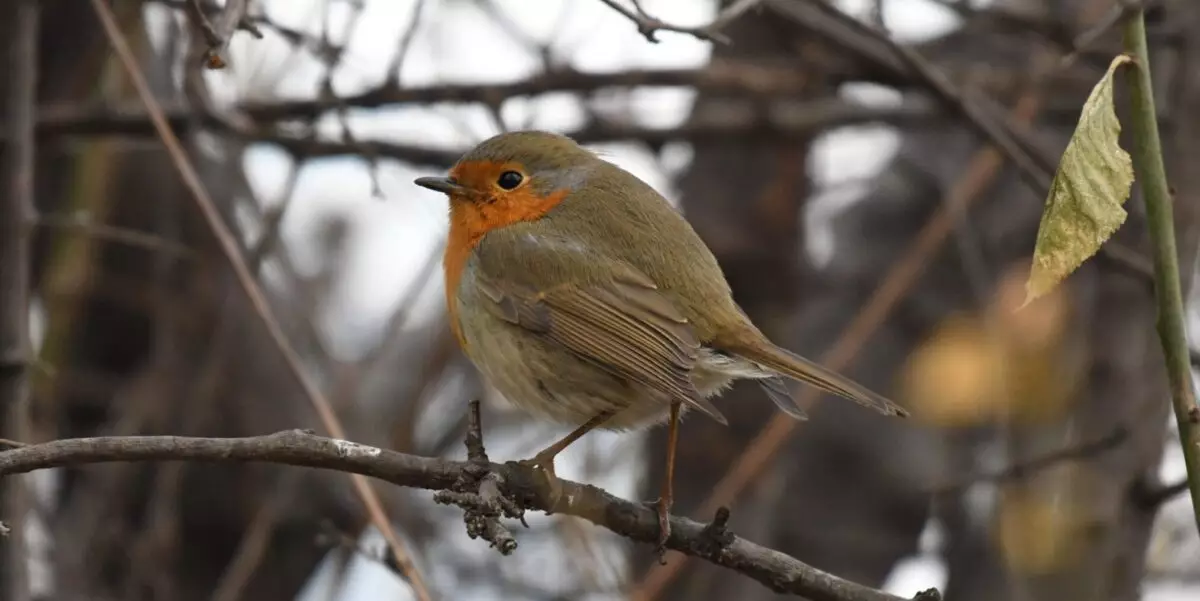
The European Robin (Erithacus rubecula), most commonly known in Anglophone Europe simply as the Robin, is a small insectivorous passerine bird that was formerly classed as a member of the thrush family (Turdidae), but is now considered to be an Old World flycatcher (Muscicapidae). Around 12.5–14.0 cm (5.0–5.5 in) in length, the male...

The European Nightjar, or just Nightjar, Caprimulgus europaeus, is the only representative of the nightjar family of birds in most of Europe and temperate Asia. It is a late migrant, seldom appearing before the end of April or beginning of May. It occurs throughout northern and central Europe, and winters in Africa, as far south […]
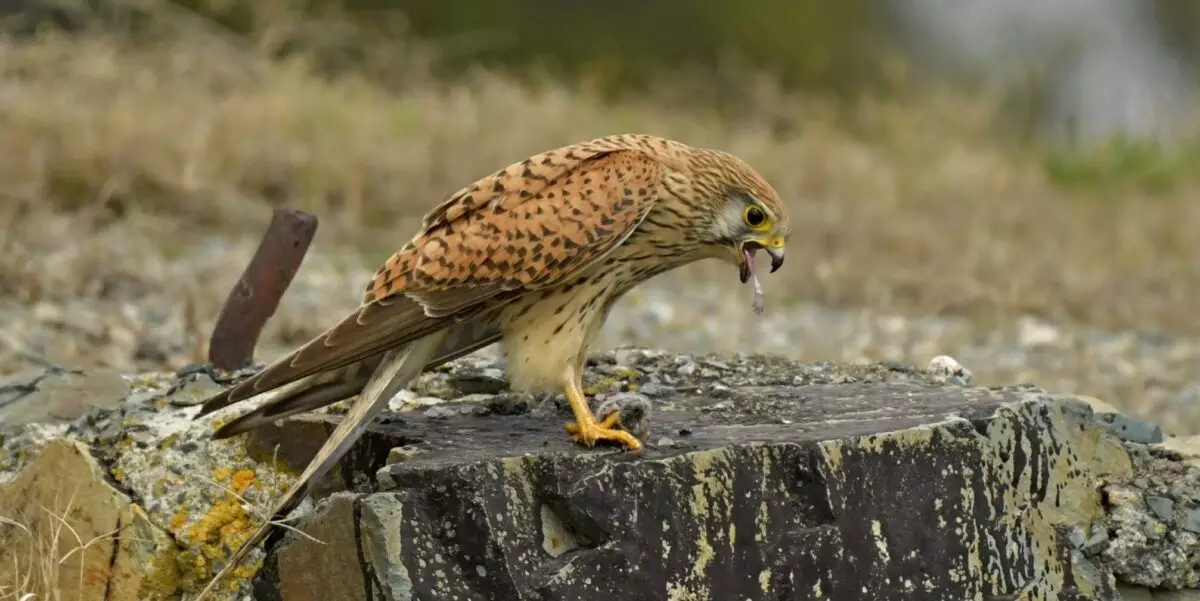
The Common Kestrel (Falco tinnunculus) is a bird of prey species belonging to the kestrel group of the falcon family Falconidae. It is also known as the European Kestrel, Eurasian Kestrel, or Old World Kestrel. In Britain, where no other brown falcon occurs, it is generally just called “the kestrel“. This species occurs over a...

The Blue Tit (Cyanistes caeruleus or Parus caeruleus) is a small passerine bird in the tit family Paridae. The bird is easily recognisable by its blue and yellow plumage. Blue tits, usually resident and non-migratory birds, are widespread and a common resident breeder throughout temperate and subarctic Europe and western Asia in deciduous or...
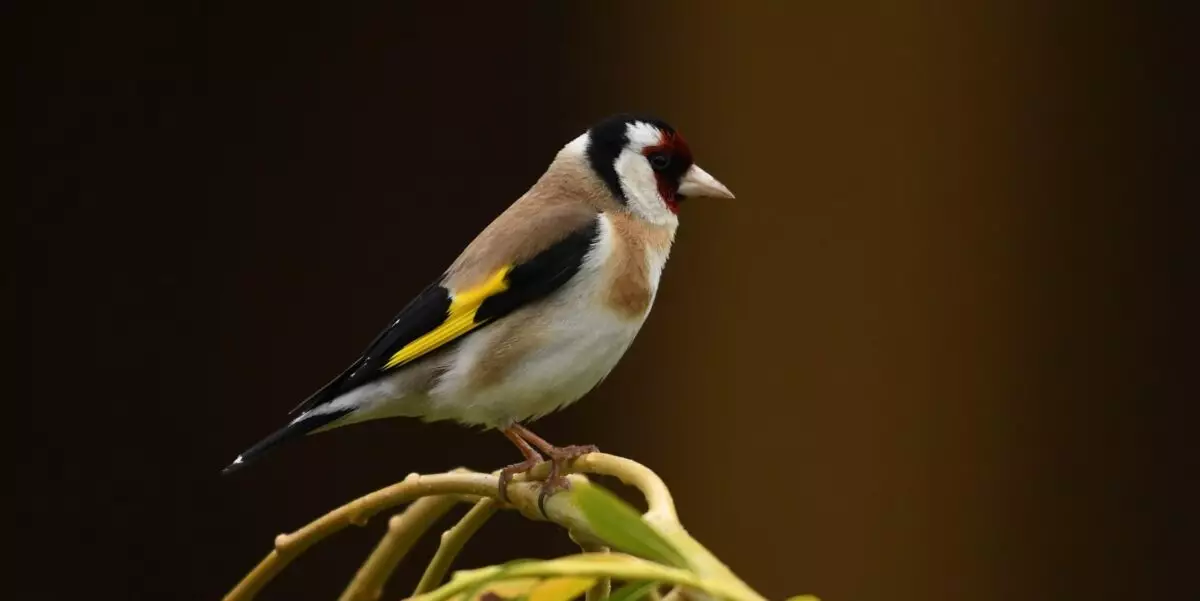
The European Goldfinch or Goldfinch (Carduelis carduelis) is a small passerine bird in the finch family. The goldfinch breeds across Europe, North Africa, and western and central Asia, in open, partially wooded lowlands. It is resident in the milder west of its range, but migrates from colder regions. It will also make local movements, even...
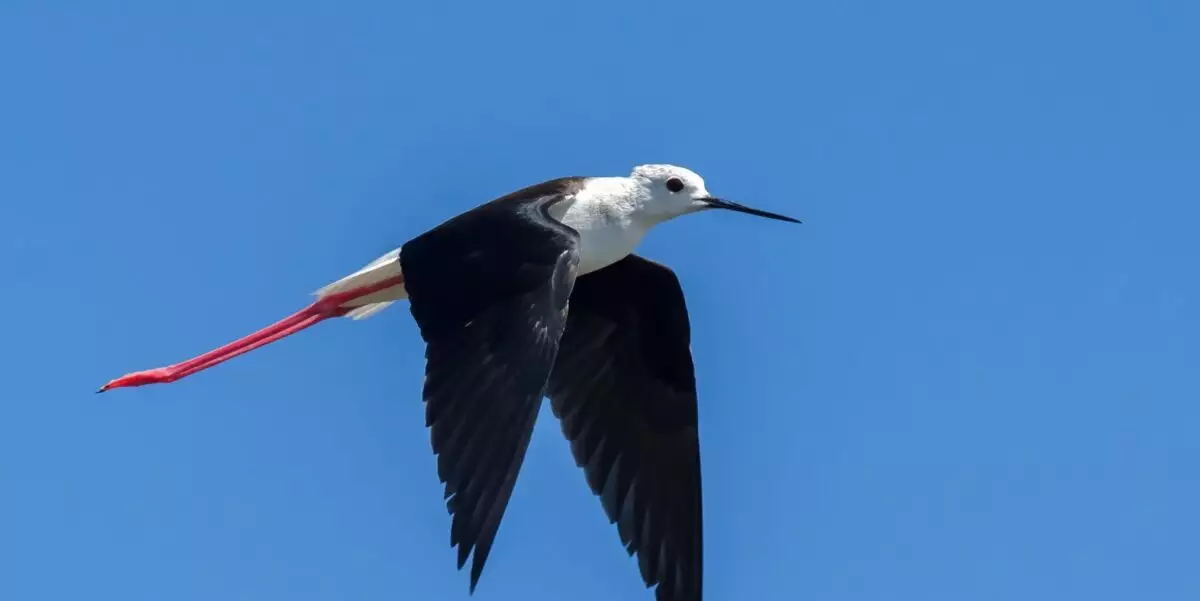
The Black-winged Stilt, Common Stilt, or Pied Stilt (Himantopus himantopus) is a widely distributed very long-legged wader in the avocet and stilt family (Recurvirostridae). Opinions differ as to whether the birds treated under the scientific name H. himantopus ought to be treated as a single species and if not, how many species to recognize....
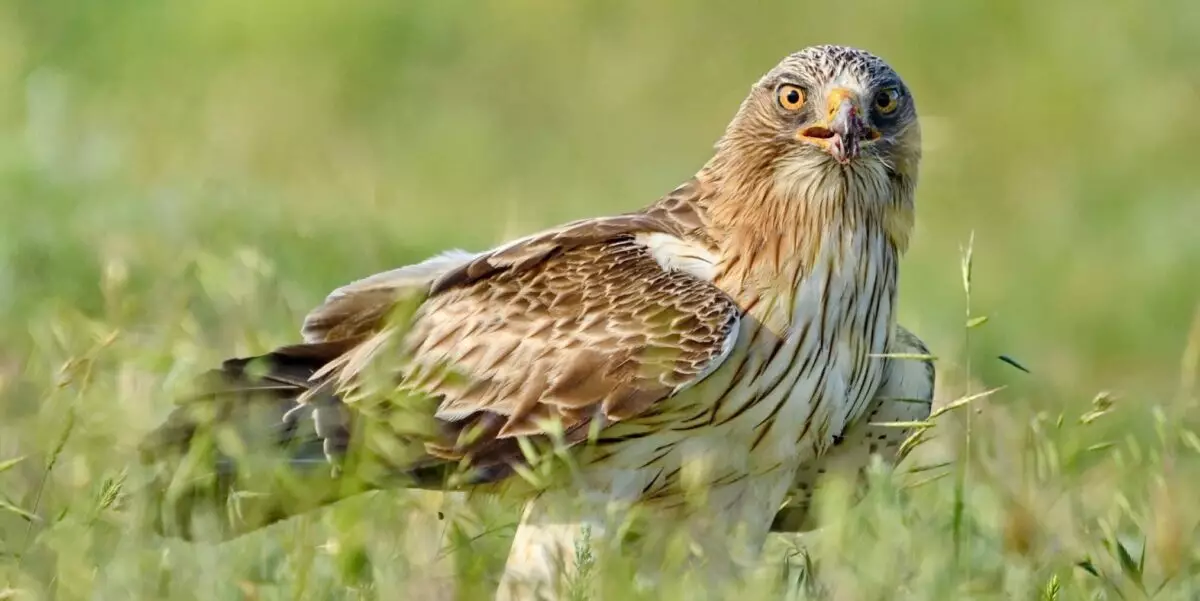
“Aquila minuta” redirects here. If based on Brehm (1831), it refers to this bird. The fossil bird described under the same name by Milne-Edwards (1871) is preliminarily known as “Hieraaetus” edwardsi but might belong in Aquila. The Booted Eagle (Aquila pennata) (formerly Hieraaetus pennatus) is a medium-sized bird of...

The Caspian Tern (Hydroprogne caspia, formerly Sterna caspia; syn. Hydroprogne tschegrava, Helopus caspius) is a species of tern, with a subcosmopolitan but scattered distribution. Despite its extensive range, it is monotypic of its genus, and has no subspecies accepted either. In New Zealand it is also known by the Maori name Taranui. It is...

The Greylag Goose (also spelled Graylag in the United States), Anser anser, is a bird with a wide range in the Old World. It is the type species of the genus Anser. It was in pre-Linnean times known as the Wild Goose (“Anser ferus”). This species is the ancestor of domesticated geese in Europe and […]

The Black-crowned Night Heron (Nycticorax nycticorax), commonly abbreviated to just Night Heron in Eurasia, is a medium-sized heron found throughout a large part of the world, except in the coldest regions and Australasia (where replaced by the closely related Rufous Night Heron, with which it has hybridized in the area of contact). Adults are...

The Great White Pelican, Pelecanus onocrotalus also known as the Eastern White Pelican or White Pelican is a bird in the pelican family. It breeds from southeastern Europe through Asia and in Africa in swamps and shallow lakes. Great White Pelicans are large birds with mass of 10 kg (22 lbs), 160 cm (63 in) long and with a...

The Common Moorhen (Gallinula chloropus) is a bird in the Rallidae family with an almost worldwide distribution. The North and South American Committees of the AOU and the IOC have voted on or before July 2011 to split the American forms into a new species Common Gallinule, however, no other committee has voted to change […]
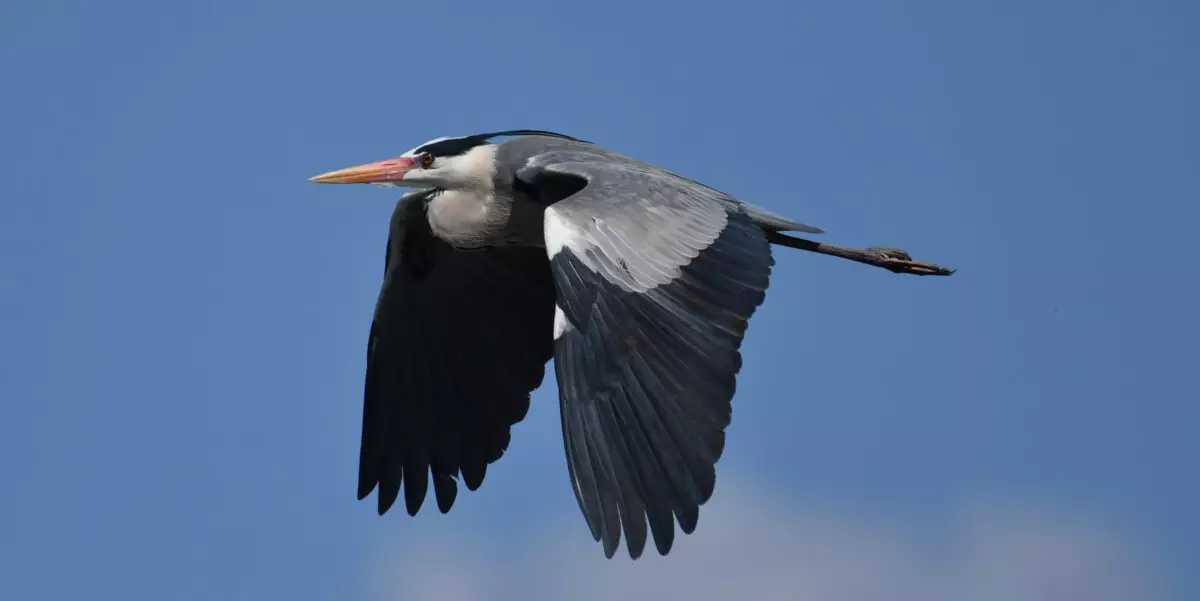
The Grey Heron (Ardea cinerea), is a wading bird of the heron family Ardeidae, native throughout temperate Europe and Asia and also parts of Africa. It is resident in the milder south and west, but many birds retreat in winter from the ice in colder regions. It has become common in summer even inside the […]

The Little Bittern (Ixobrychus minutus) is a wading bird in the heron family Ardeidae, native to the Old World, breeding in Africa, central and southern Europe, western and southern Asia, and Madagascar. Birds from temperate regions in Europe and western Asia are migratory, wintering in Africa and further south in Asia, while those nesting in...

The Long-tailed Tit or Long-tailed Bushtit (Aegithalos caudatus) is a common bird found throughout Europe and Asia. There are several extensive accounts of this species, most notably Cramp and Perrins, 1993; Gaston, 1973; and Harrap and Quinn, 1996. The majority of relevant research has been directed at its social and breeding behaviour. The...
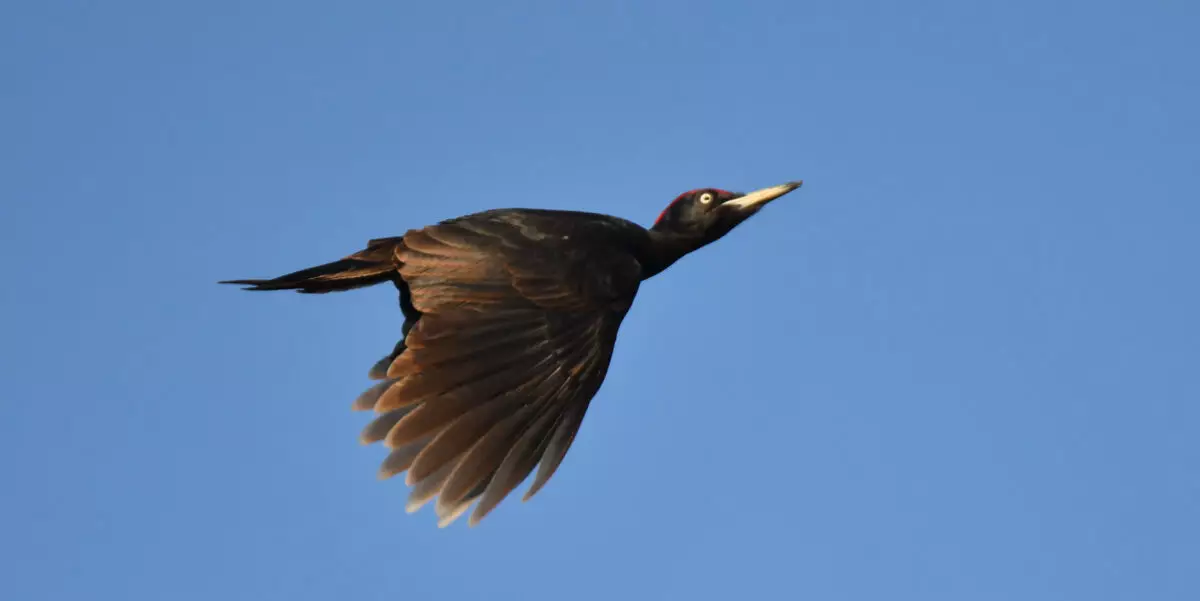
The Black Woodpecker (Dryocopus martius) is a large woodpecker, 45–50 cm (18–20 in) long with a 64–84 cm (25–33 in) wingspan. Body weight is approximately 300-400 grams (10.6-14.2 oz) on average. It is easily the largest woodpecker in its range. This species is closely related to and fills the same ecological niche...

The Northern Shoveler ( Anas clypeata), Northern Shoveller in British English, sometimes known simply as the Shoveler, is a common and widespread duck. It breeds in northern areas of Europe and Asia and across most of North America, wintering in southern Europe, Africa, the Indian subcontinent, Southeast Asia, and Central and northern South...

The Little Ringed Plover (Charadrius dubius) is a small plover. Adults have a grey-brown back and wings, a white belly, and a white breast with one black neckband. They have a brown cap, a white forehead, a black mask around the eyes with white above and a short dark bill. The legs are flesh-coloured and […]
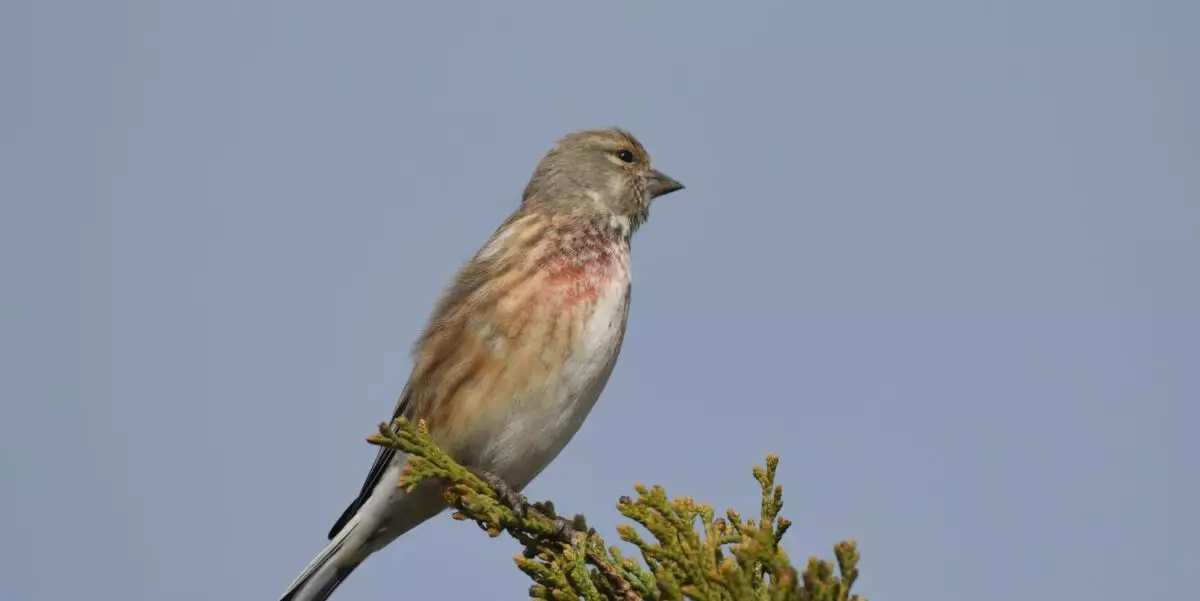
The Linnet (Carduelis cannabina) is a small passerine bird in the finch family Fringillidae. The Linnet derives its scientific name from its fondness for hemp and its English name from its liking for seeds of flax, from which linen is made. It is a slim bird with a long tail. The upperparts are brown, the […]
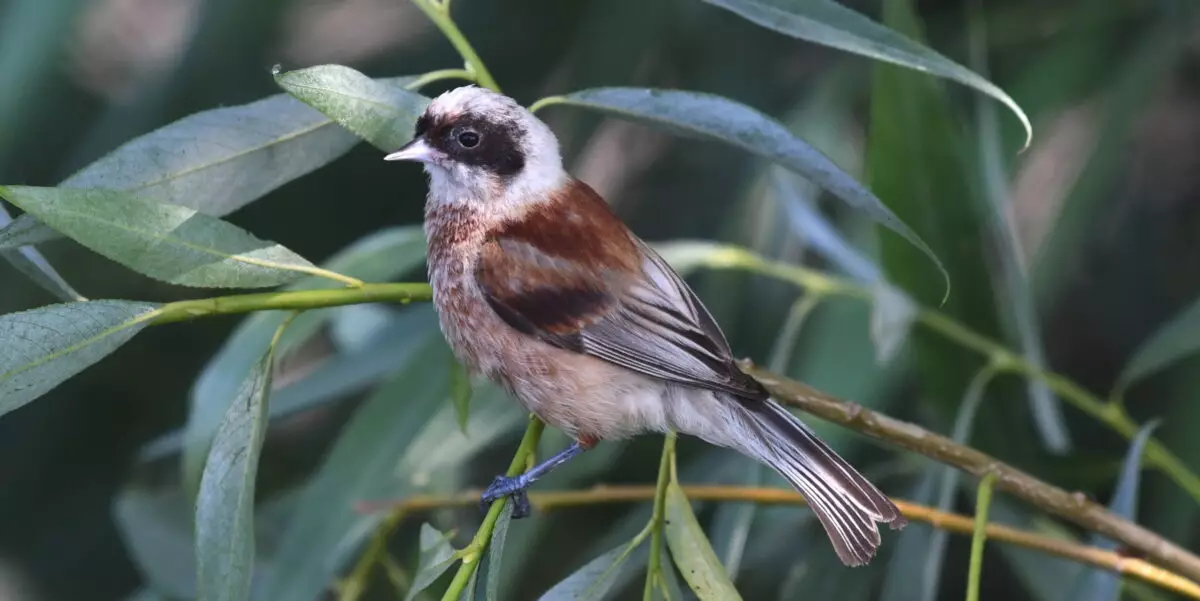
The European Penduline Tit (Remiz pendulinus) is a passerine of the genus Remiz. It is relatively widespread throughout Eurasia. The Asian (sub)species include the Black-headed Penduline Tit, Remiz macronyx, the White-crowned Penduline Tit, Remiz coronatus, and the Chinese Penduline Tit, Remiz consobrinus. It builds an elaborate hanging nest,...
